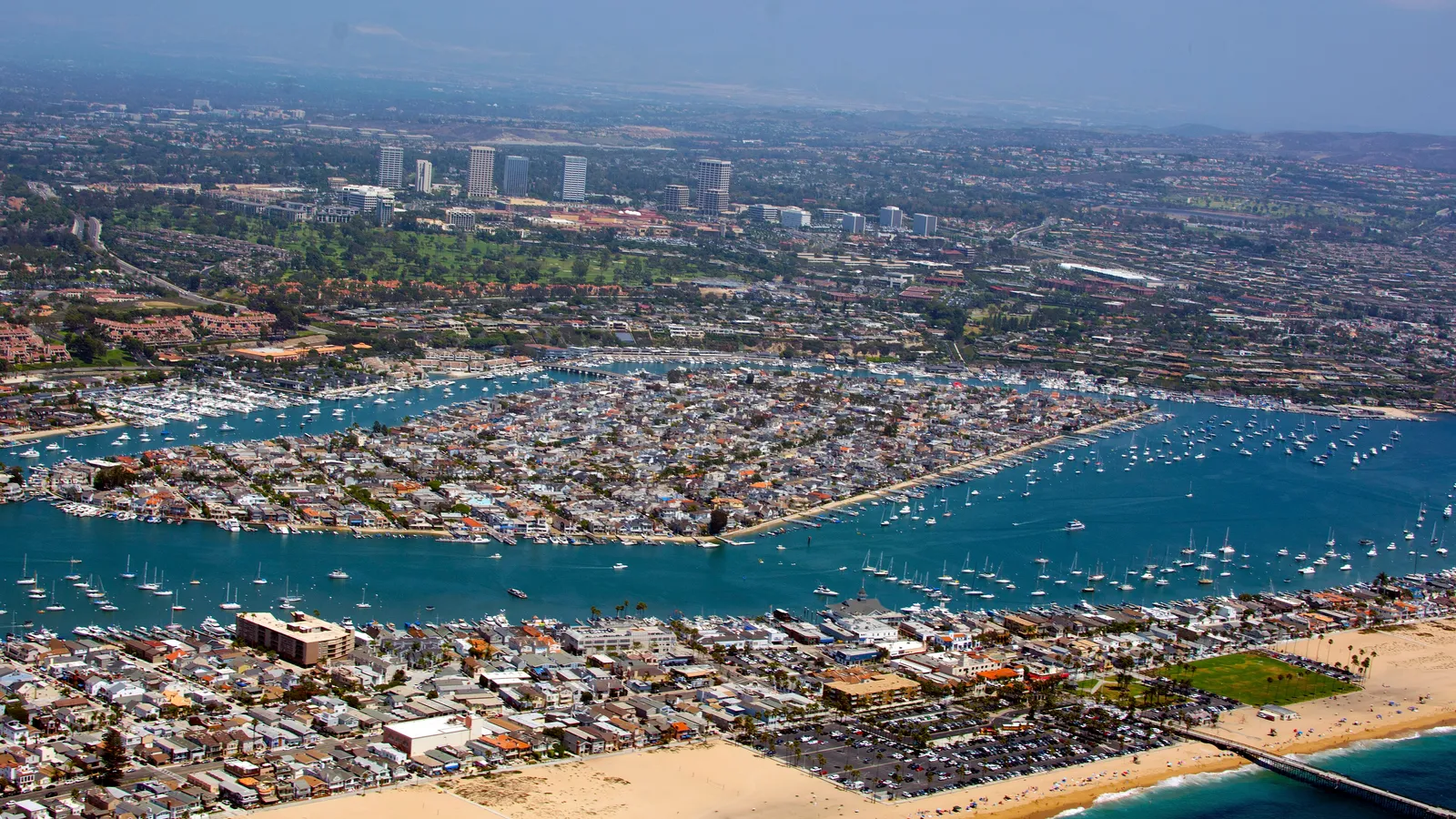



Broad Creek is the best place to paddle board on Hilton Head Island: it’s a sheltered tidal creek running through the middle of the island, with board rentals at Shelter Cove Marina and a good chance of seeing dolphins. For something quieter, launch on Skull Creek at the north end or paddle the marsh creeks around Pinckney Island National Wildlife Refuge.
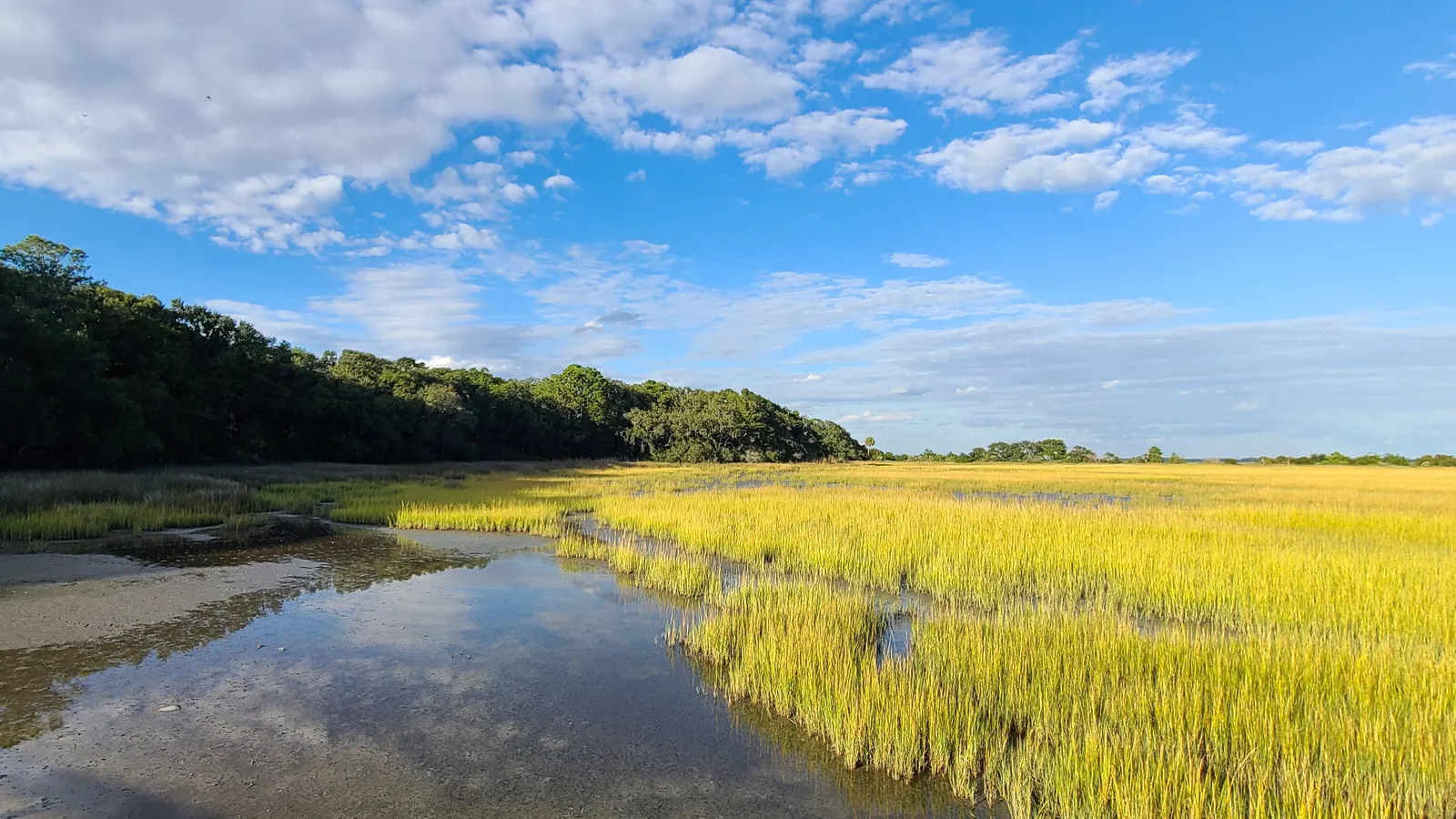
Hilton Head works for paddling because it’s wrapped in salt marsh. Creeks and sounds wind between the island and the mainland, so there’s sheltered water within a few minutes of almost anywhere you stay. The thing to respect is the tide. NOAA’s Fort Pulaski station, just across Calibogue Sound at the mouth of the Savannah River, has a mean tide range of about 7 feet, which means strong currents in the creeks and mudflats where there was water a few hours earlier.
Quick answer
- First time on a board: Broad Creek from Shelter Cove Marina, on a rental, around high tide.
- Bring your own board: the town’s Cross Island and Marshland Road boat landings on Broad Creek, or the kayak launch at Squire Pope Community Park on Skull Creek.
- Wildest scenery: the creeks around Pinckney Island National Wildlife Refuge, from C.C. Haigh Jr. Landing.
- Ocean paddling: Coligny Beach on a calm, small-surf morning, outside the swimming area.
- Experienced only: Calibogue Sound and Port Royal Sound, where current, wind and boat traffic all meet.
The best places to paddle board on Hilton Head
Broad Creek (Shelter Cove)
Directions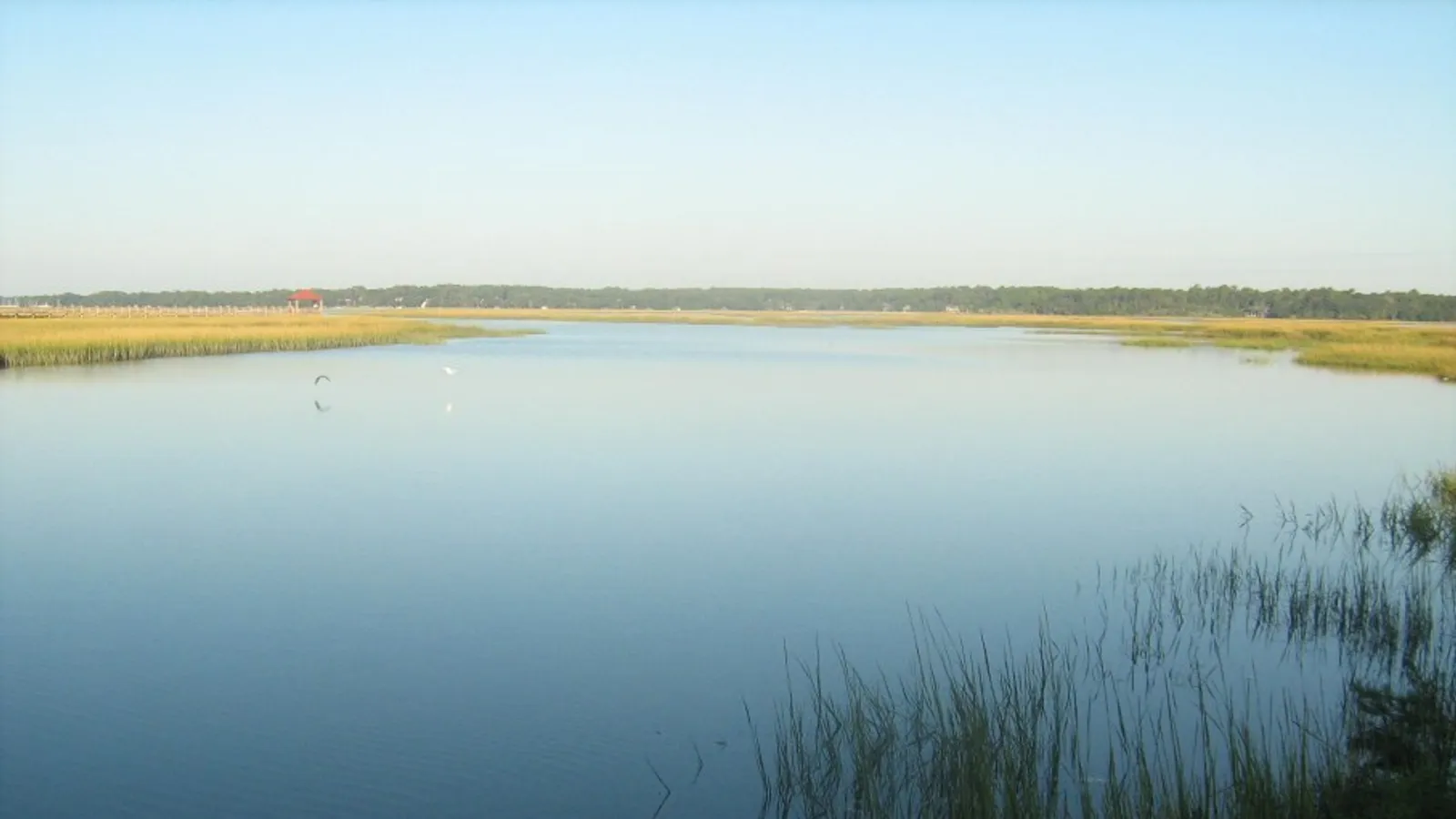
Best for: beginners, dolphins, rentals. Sheltered tidal water.
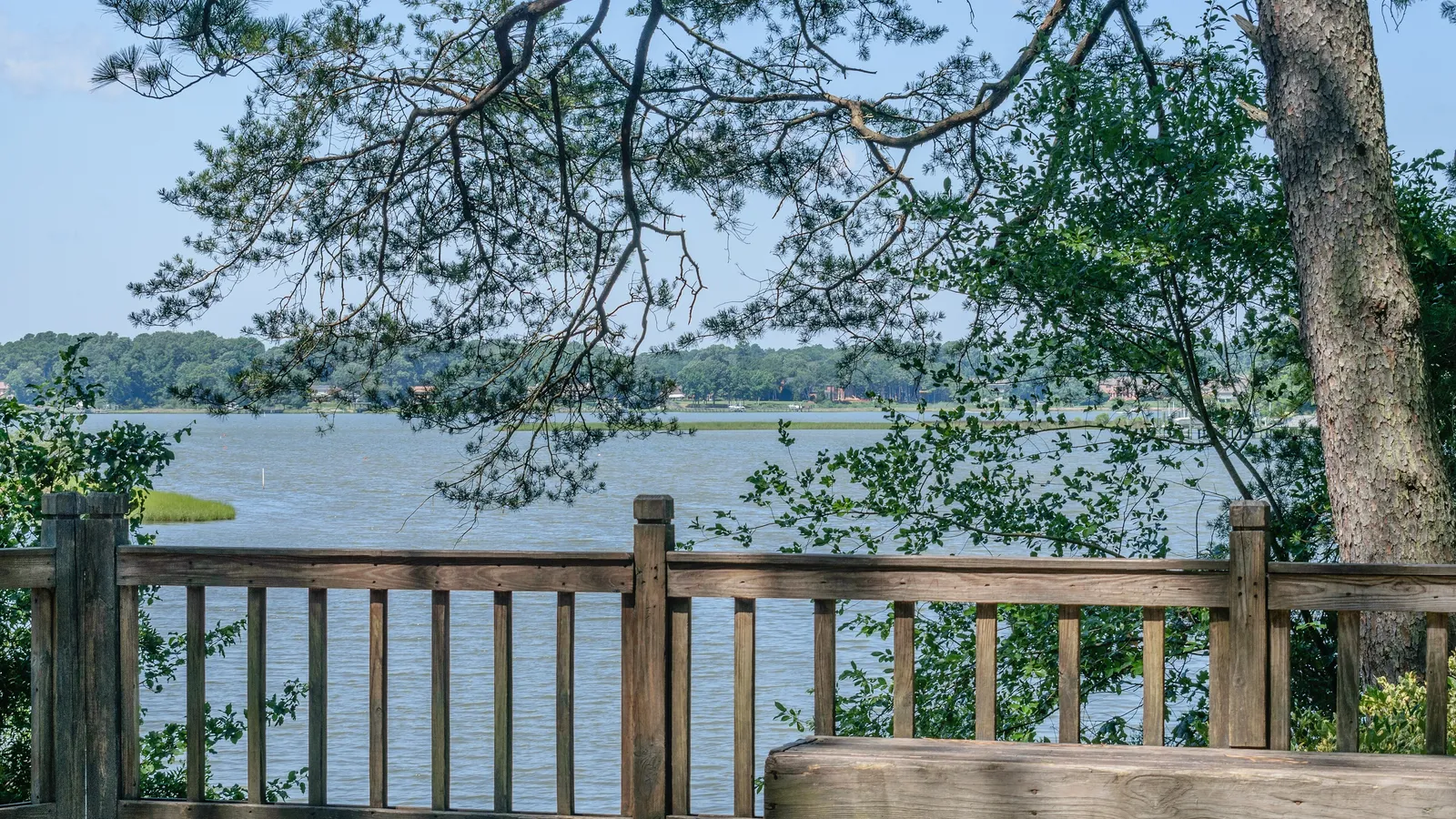
Broad Creek is more of a tidal estuary than a creek. It runs about 7 miles through the heart of the island, fed by marsh and side creeks, and empties into Calibogue Sound at the south end. It’s the island’s most popular place to paddle, and one of the likeliest places to see bottlenose dolphins.
Where to launch: Shelter Cove Marina is the easiest start, with rentals on site. Shelter Cove Community Park (39 Shelter Cove Lane, free parking) sits next door with boardwalk views over the creek. If you’re bringing your own board, the Town of Hilton Head Island lists two public boat ramps on Broad Creek: Cross Island Boat Landing (68 Helmsman Way) and Marshland Road Boat Landing (97 Marshland Road).
Rentals and lessons: Outside Hilton Head rents kayaks and paddle boards by the hour at Shelter Cove Marina, every day on a first-come, first-served basis, from around $35 at the time of writing. It also runs a family introduction to stand-up paddleboarding and guided kayak nature tours.
What to avoid: Broad Creek is also a boating creek, with marina traffic and wakes. Stay near the marsh edge rather than the middle. Toward the mouth, the creek opens onto Calibogue Sound, which is wide, busy and fast-moving; turn back before you get there unless you’re experienced.
Skull Creek (Squire Pope Community Park)
DirectionsBest for: a quieter paddle at the north end of the island. Tidal water with current.
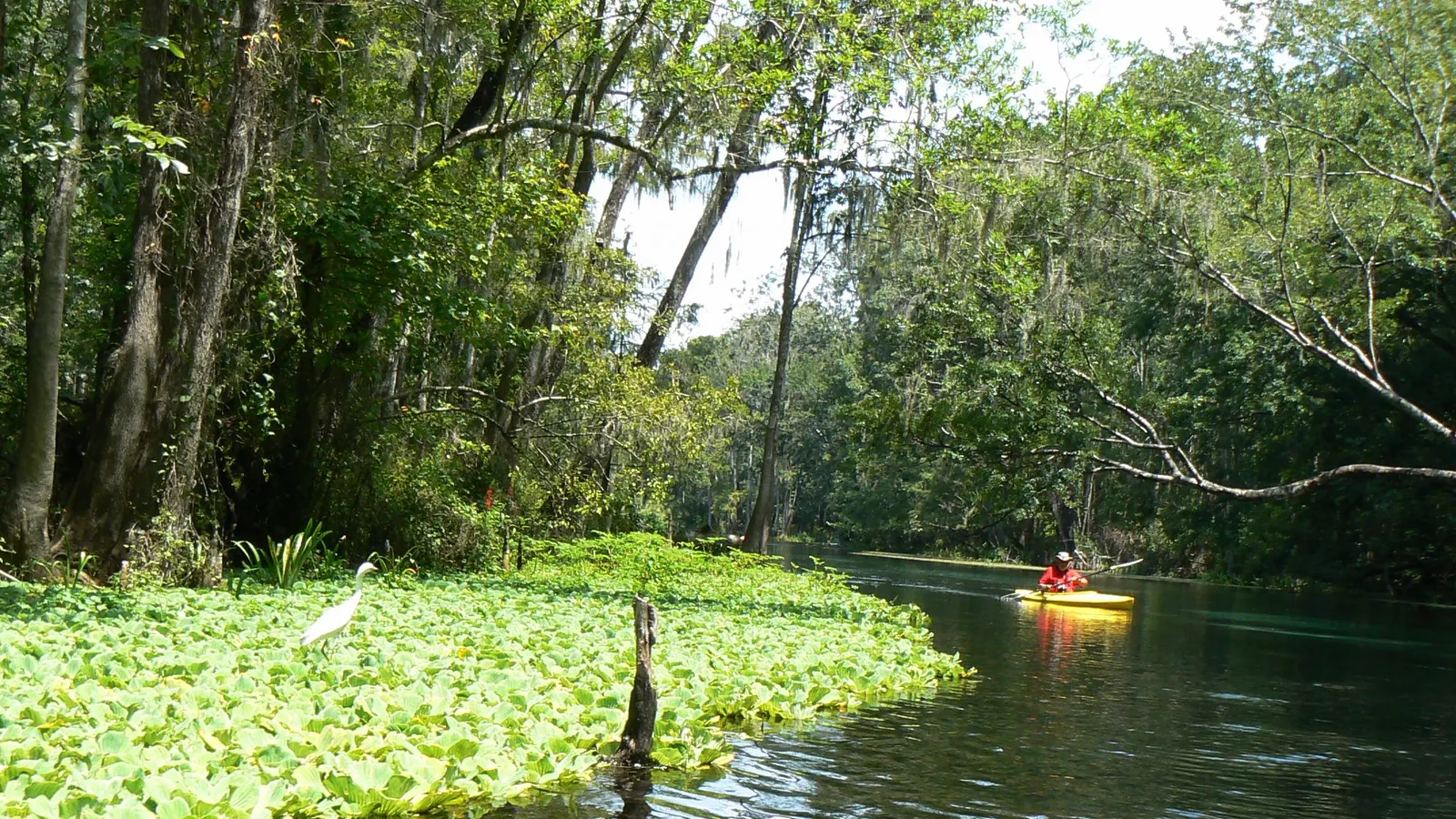
Skull Creek separates the north end of Hilton Head from Pinckney Island and is part of the Intracoastal Waterway. Along the edges you’ll find marsh, oyster banks and wading birds.
Where to launch: The town’s Rowing and Sailing Center at Squire Pope Community Park (133 Squire Pope Road) gives non-motorized boats, including kayaks and rowing shells, access to Skull Creek. There’s a fishing pier with an accessible kayak launch, free parking and a restroom building. The park sits on the former site of the Hilton Head Fishing Cooperative, which operated here from 1966 to 1978.
What to avoid: The middle of Skull Creek is the Intracoastal Waterway channel, used by large boats. Stick to the edges and cross only when it’s clear. Go near slack tide; the current runs hard at mid-tide.
Pinckney Island National Wildlife Refuge
Directions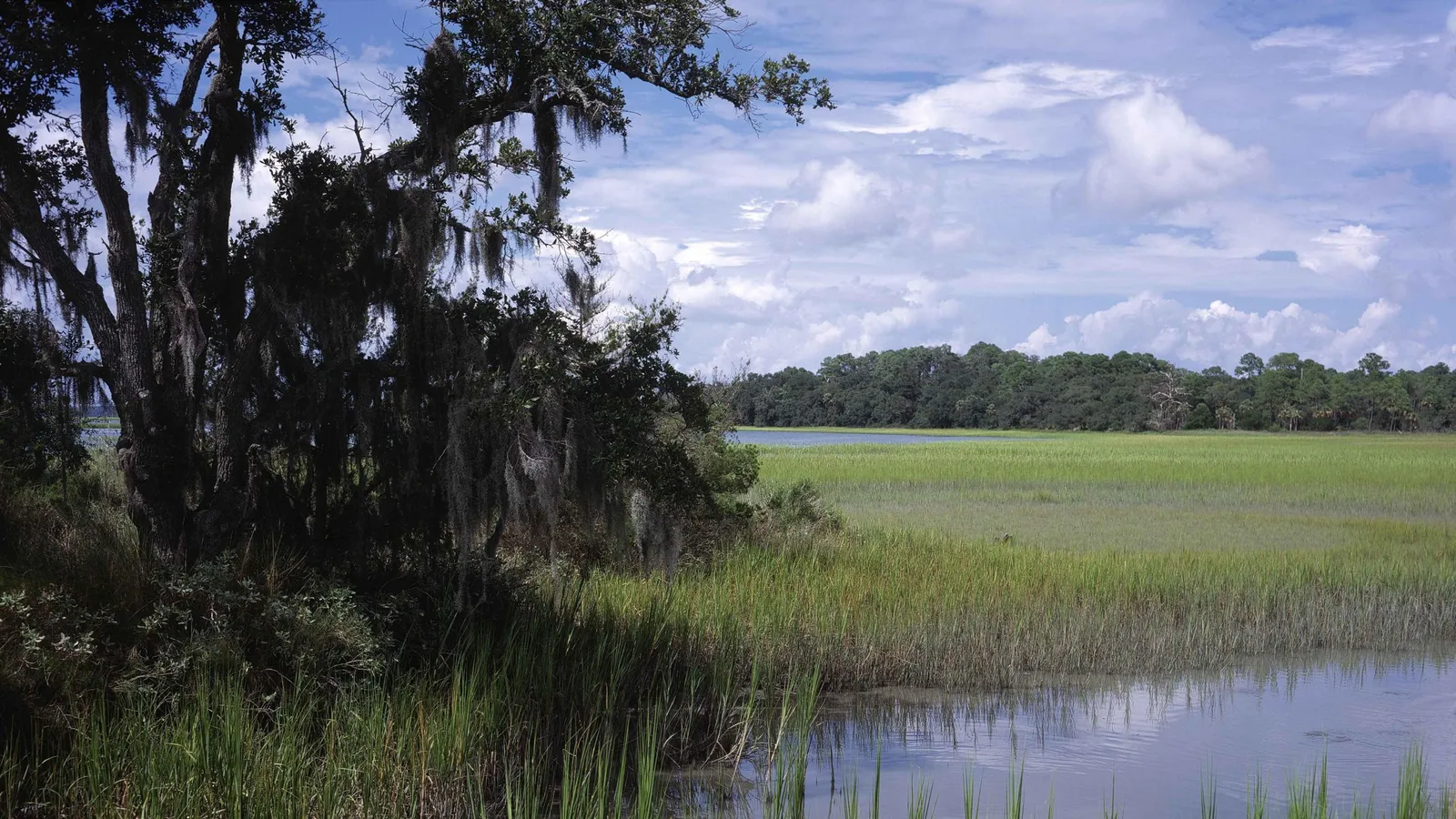
Best for: wildlife and wild marsh. Tidal creeks.
Pinckney Island NWR sits between Hilton Head and Bluffton, where US 278 crosses to the island, and protects marsh, small islands and freshwater ponds. It gets nearly a quarter of a million visitors a year, mostly on foot and bike, but the water around it is where paddlers come in.
Where to launch: C.C. Haigh Jr. Landing is a Beaufort County boat ramp on Pinckney Island, off US 278, with access to Mackay Creek. It has a single-lane ramp, a courtesy dock and plenty of parking. From there you can paddle along the refuge’s marsh edges.
Good to know: The refuge is open sunrise to sunset, and there are no restrooms, drinking water or shelter. Dogs and other pets aren’t allowed anywhere on refuge land, including its trails and beaches. The refuge closes to the public for managed deer hunts on a few days a year (one is October 16, 2026), so check the US Fish and Wildlife Service page before you go. Saltwater fishing is allowed in the surrounding waters.
The Atlantic at Coligny Beach Park
Directions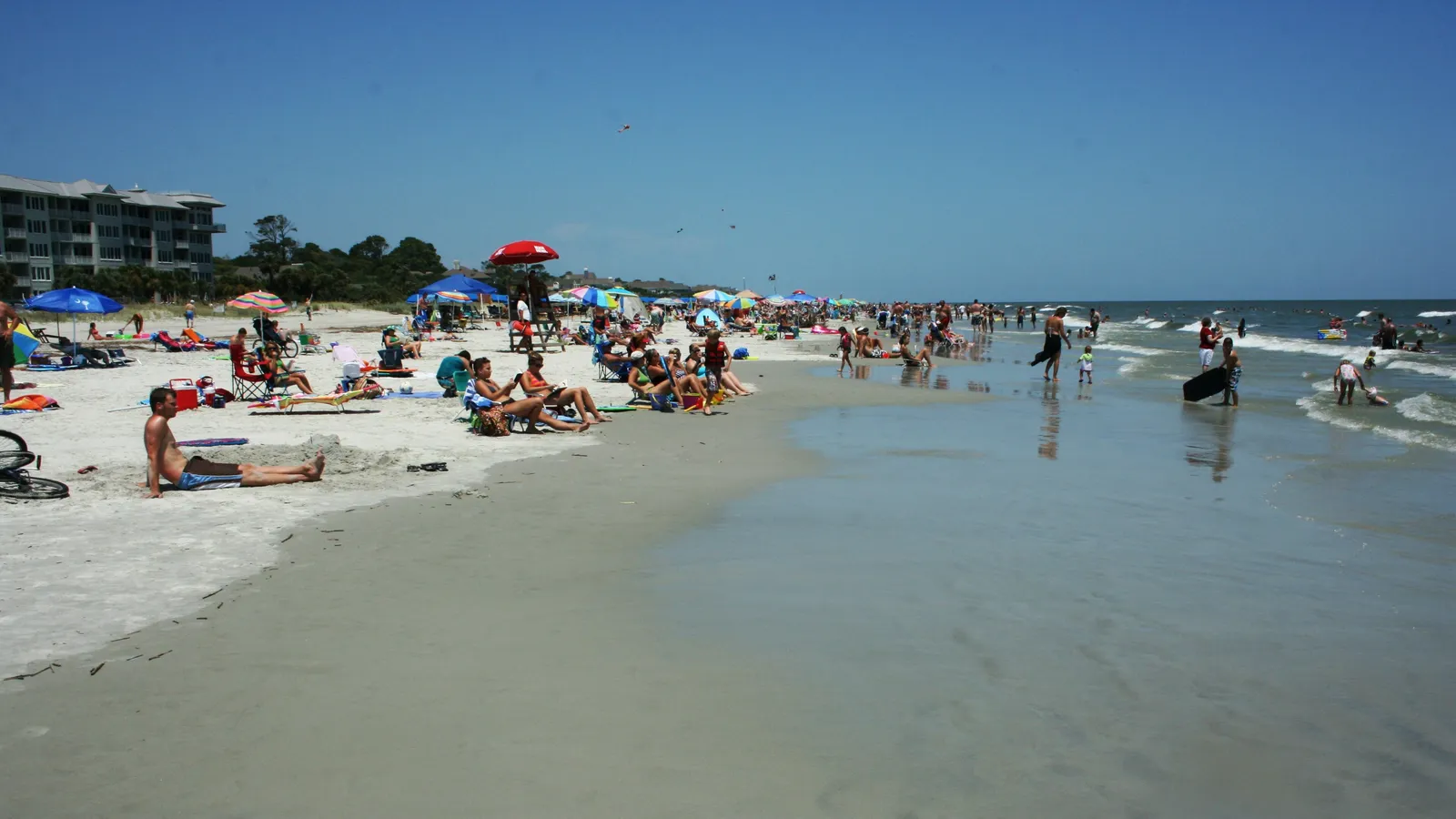
Best for: confident paddlers on calm mornings. Open ocean.
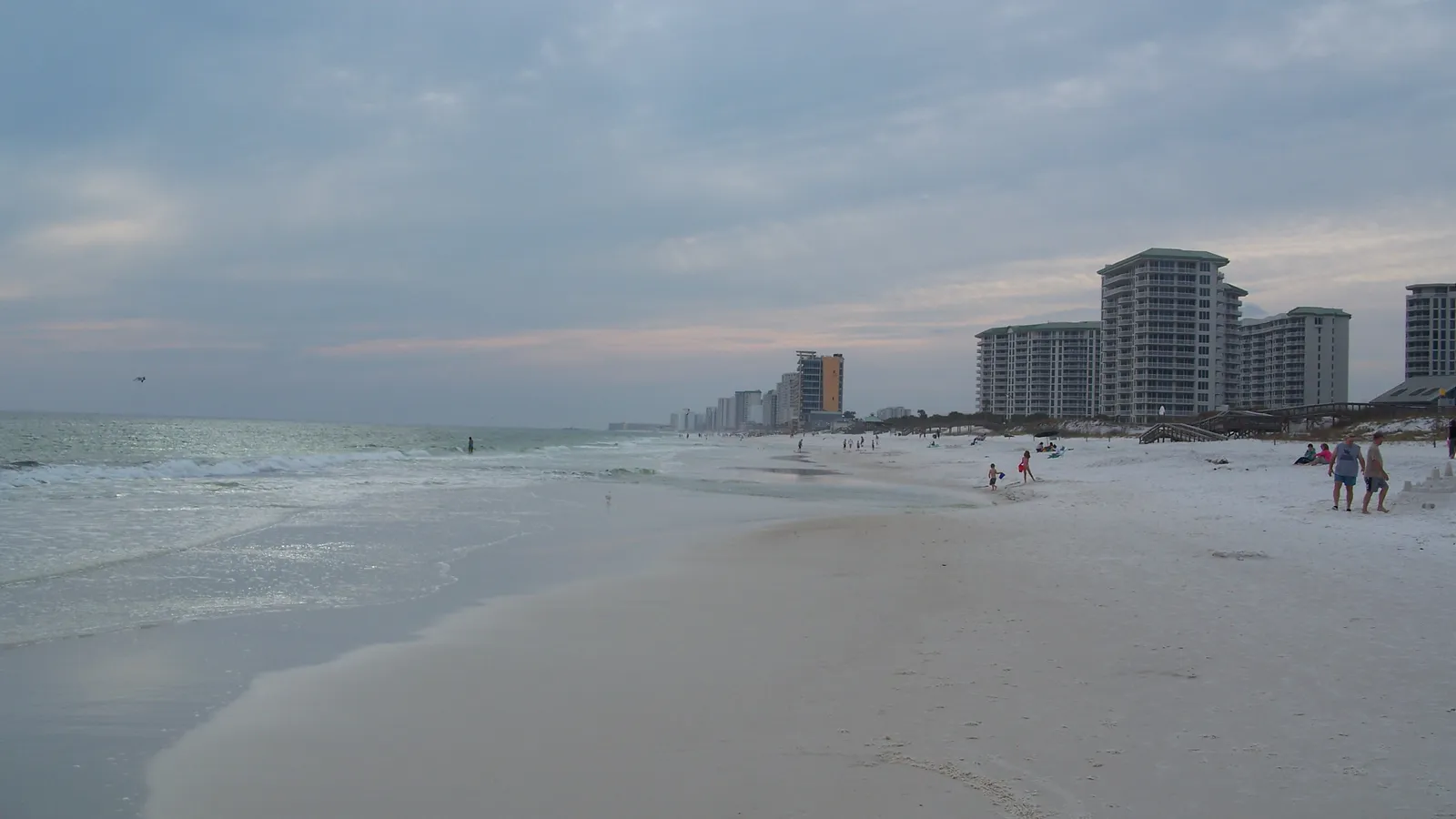
Hilton Head’s Atlantic side is a long, gently sloping beach. On a calm morning with small surf, you can paddle out past the break and cruise along the shore. On a windy afternoon, it’s choppy and much harder work.
Where to launch: Coligny Beach Park (1 Coligny Circle, at the end of Pope Avenue) has free parking, outdoor showers, seasonal beach rentals and seasonal lifeguards.
What to avoid: Keep well away from swimmers and the lifeguarded swimming area, especially in summer when the beach is packed. Don’t try to launch through big surf, and remember that in the surf zone you’re not covered by South Carolina’s paddle craft equipment rules, so you’re relying on your own judgment. Read how to paddle board in the ocean before your first time.
When to go
You can paddle Hilton Head most of the year, but winter water is cold. NOAA’s water temperature guide puts nearby Fort Pulaski at about 53°F in January and February and about 83°F in July and August.
- Spring (April–May): warming water, fewer crowds and lots of birdlife. You’ll still want a wetsuit or a dry layer early in the season.
- Summer (June–August): warm water and calm mornings, but hot, buggy afternoons and frequent thunderstorms. Get off the water at the first thunder.
- Fall (September–November): often the best season, with warm water and cooler air. Hurricane season runs through November, so watch the forecast.
- Tide: plan around it every time. Go out against the current and ride it back, and aim for the hours either side of high tide in the creeks, when there’s water over the mudflats.
Our wetsuit check uses water and air temperature to suggest what to wear, and our Trip time calculator estimates how long a creek paddle will take at your pace.
Rules and safety on Hilton Head
South Carolina’s Department of Natural Resources (SCDNR) treats paddle boards like other paddle craft on public waterways:
- Life jacket: carry a US Coast Guard–approved wearable life jacket for each person. Anyone under 12 must wear one on any vessel under 16 feet long. See our pick of the best PFDs for SUP.
- Sound device: carry a whistle or horn.
- After dark: have a flashlight or lantern ready between sunset and sunrise.
- Surf zone exception: SCDNR exempts paddle boards used in traditional surfing, swimming and bathing areas. In the creeks and sounds, the rules apply.
Local rules and habits on top of that:
- Give dolphins space. NOAA asks paddlers to stay at least 50 yards away, and feeding wild dolphins is illegal.
- Wear a leash. With 7-foot tides, the current can carry a loose board away fast.
- Watch for oyster beds at low tide. The shells cut feet and fins, so wear water shoes if you step off.
- Stay out of channels, especially the Intracoastal Waterway in Skull Creek and the busy mouth of Broad Creek.
- No pets on Pinckney Island refuge land.
FAQ
Where can beginners paddle board on Hilton Head?
Broad Creek. Rent from Outside Hilton Head at Shelter Cove Marina, go near high tide, and stay along the marsh edge away from boat traffic.
Will I see dolphins paddle boarding on Hilton Head?
Quite likely, especially in Broad Creek and the sounds. Stay at least 50 yards away, don’t chase them, and let them come and go on their own.
Do I need a permit to paddle board on Hilton Head?
No. You don’t need a permit to paddle the creeks, sounds or ocean. Just carry the equipment SCDNR requires.
Can I paddle board in the ocean on Hilton Head?
Yes, on calm days with small surf. Launch away from swimmers, wear a leash, and don’t go out when the wind is up.
Is there anywhere similar nearby?
Charleston, about two hours up the coast, has a similar mix of tidal creeks and dolphins; see where to paddle board in Charleston. Picking a board for creeks and calm ocean days? Try the Board Fitter.