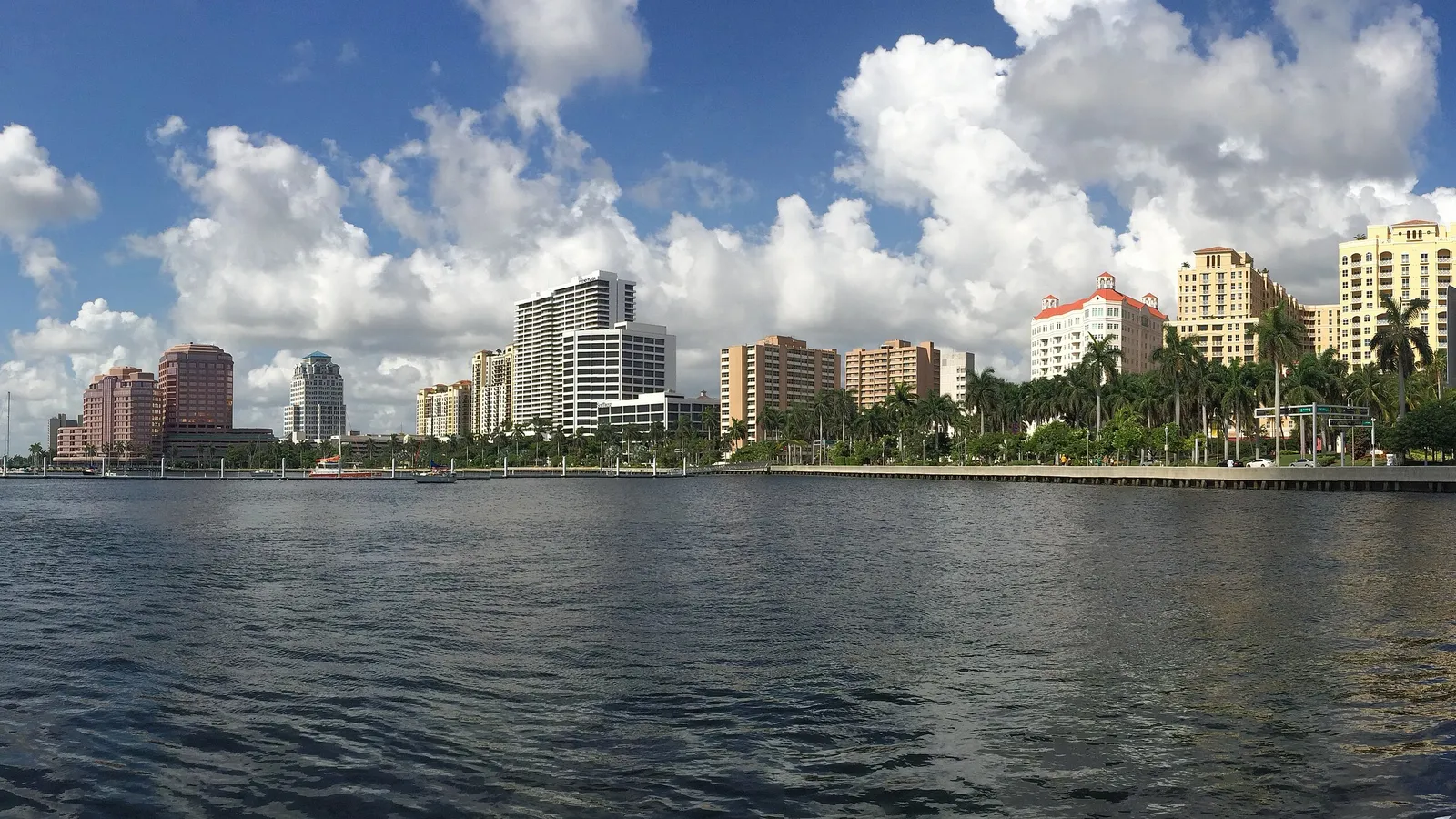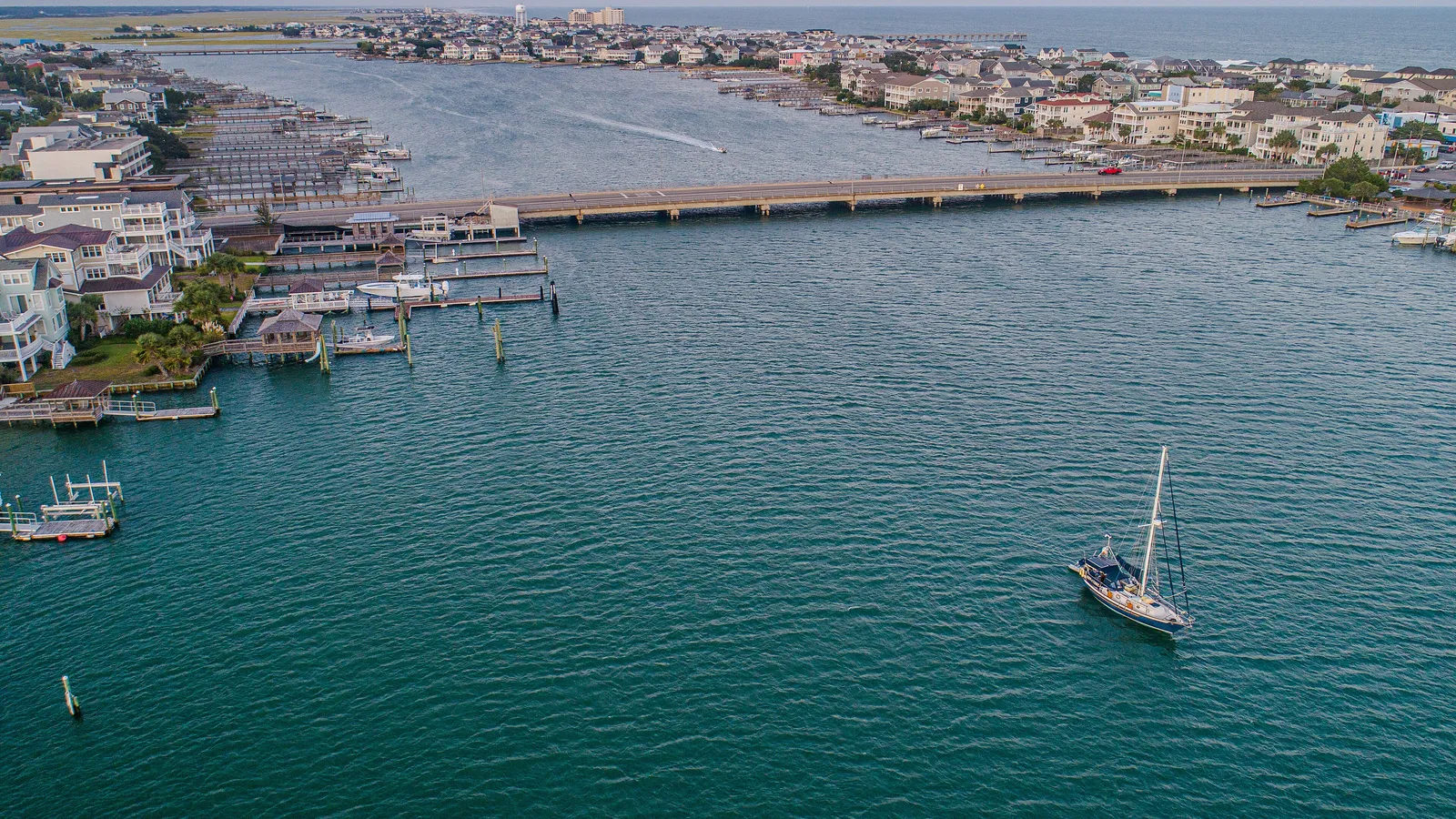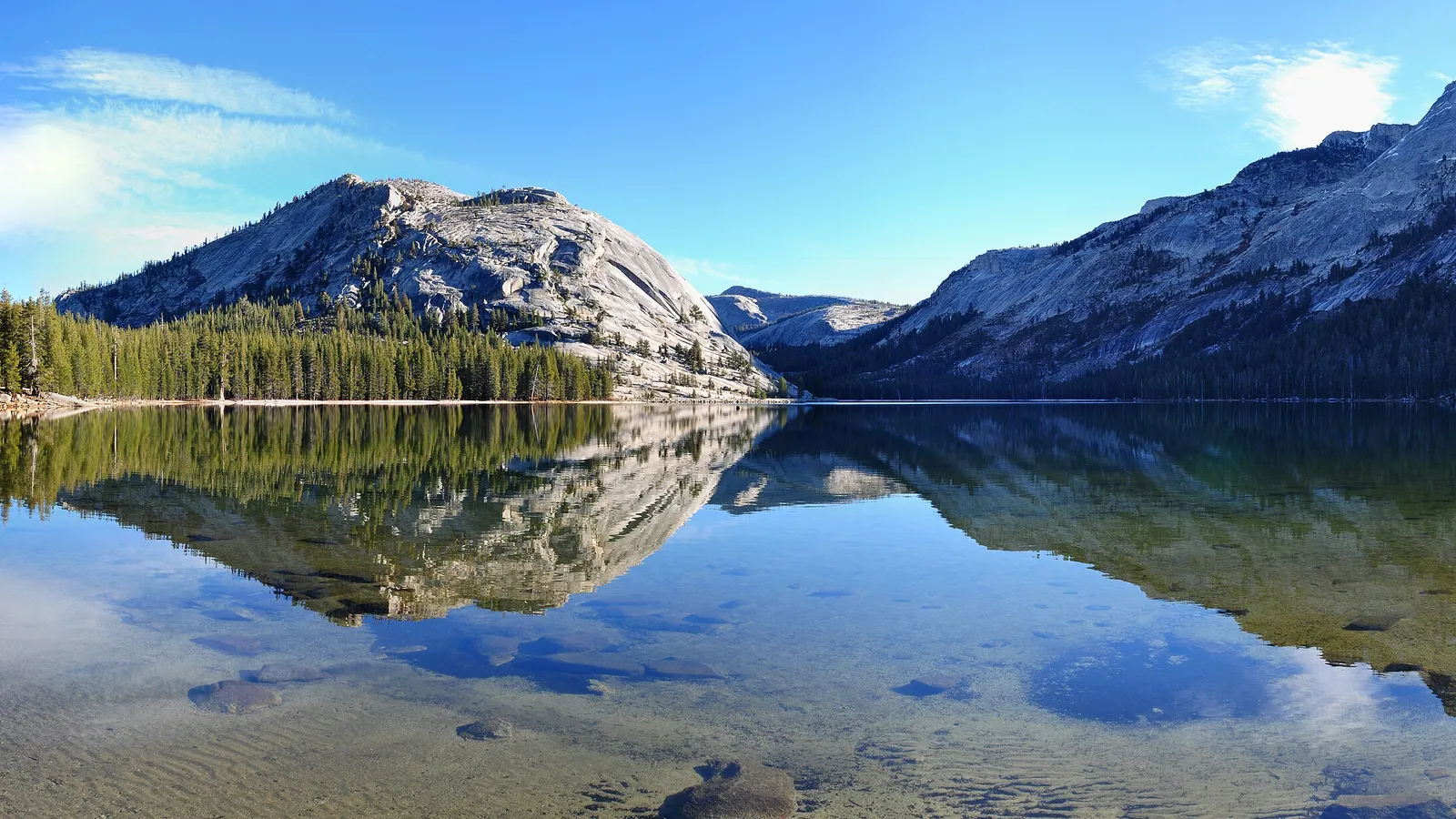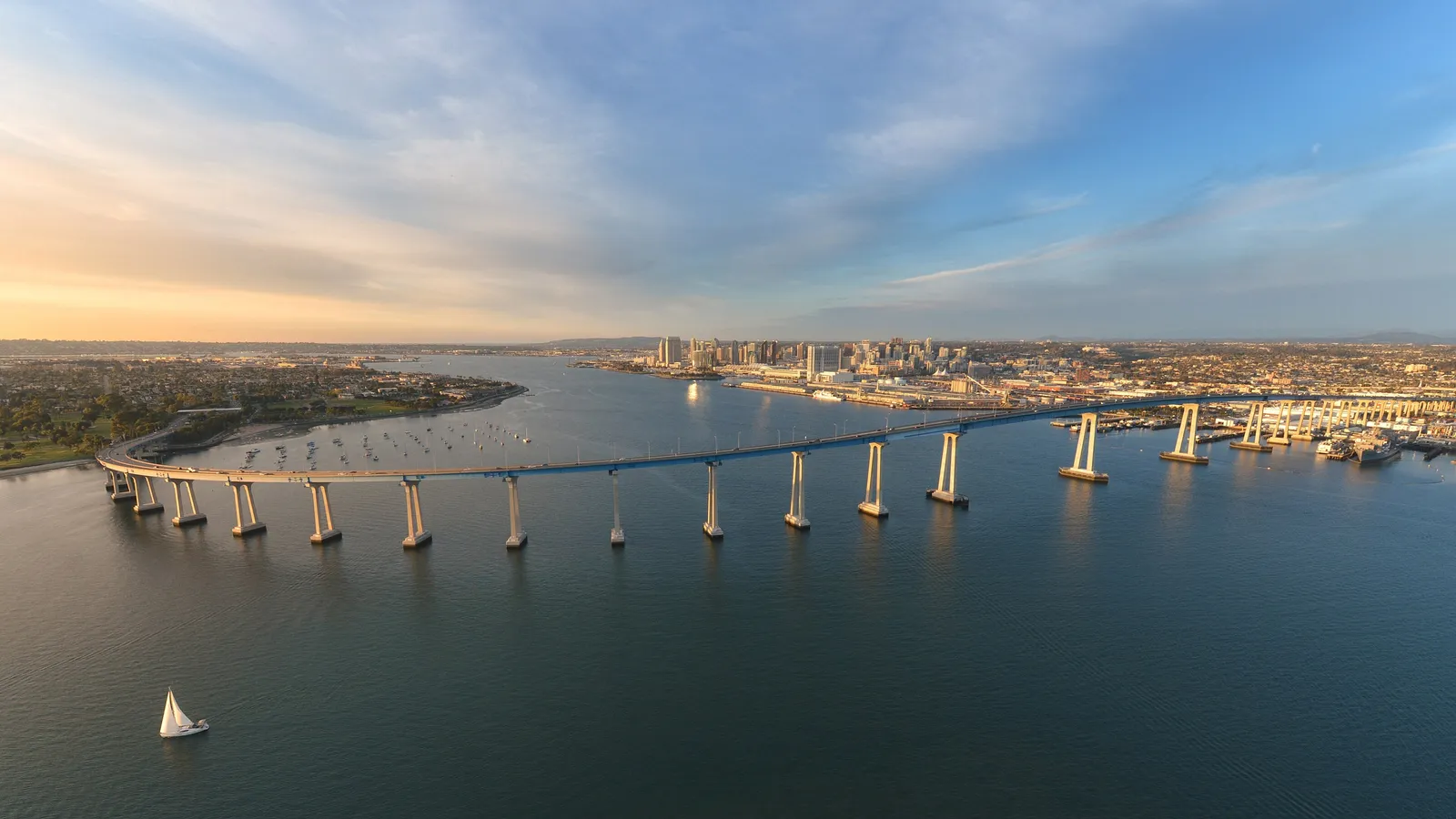
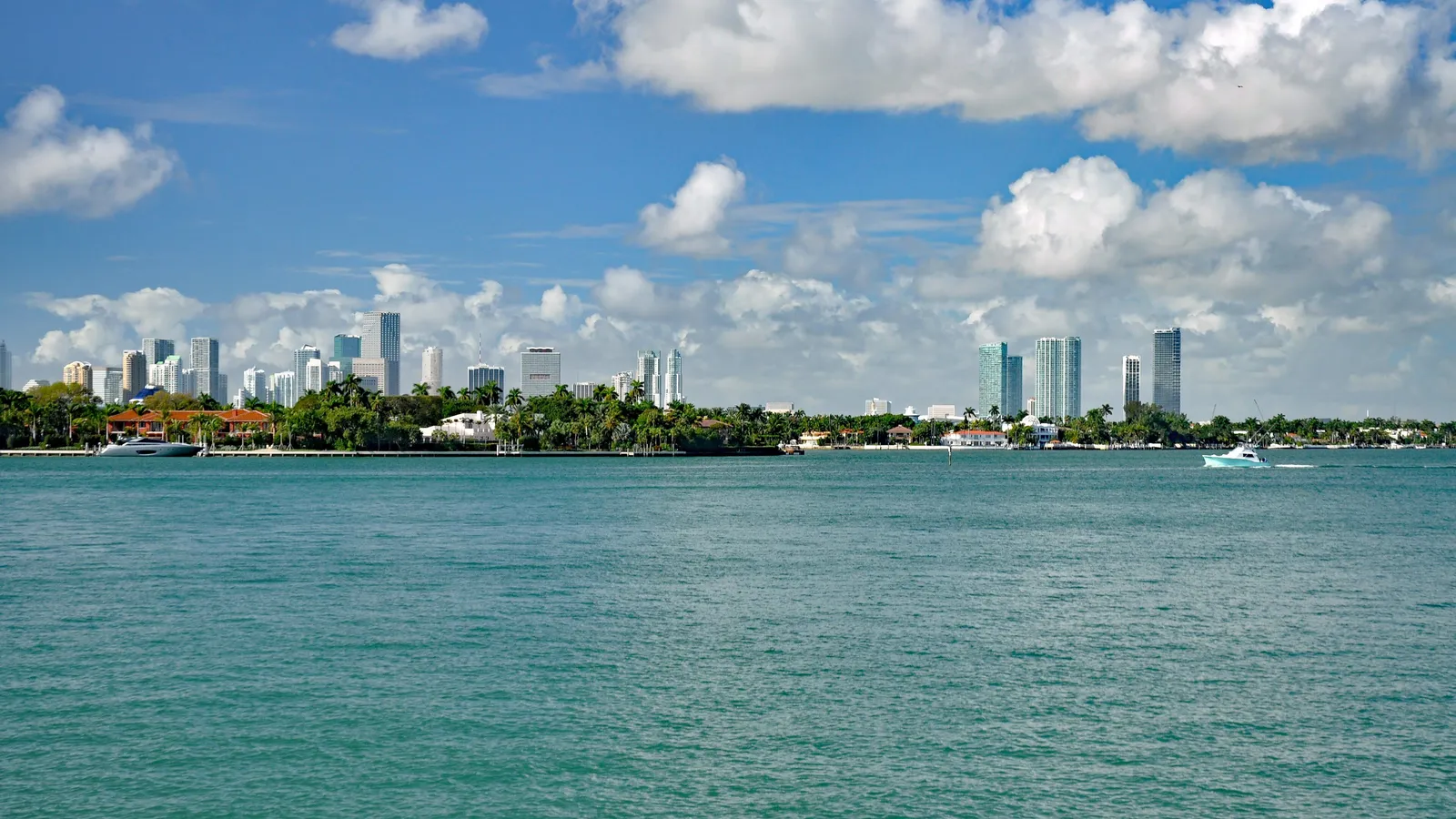
Oleta River State Park in North Miami Beach is the best place to paddle board in Miami, especially for beginners: you can rent a board inside the park and paddle sheltered mangrove trails before heading out to a small island in the bay. For skyline views, paddle the lagoon and bay off Virginia Key; for wild, quiet water, launch for free at Biscayne National Park.
Miami works for paddling because Biscayne Bay is shallow, warm and protected from ocean swell by a chain of barrier islands. Mangroves line much of the shore, so you can almost always find a sheltered stretch when the wind is up. The catch is the city around it: boat traffic is heavy on weekends, beach launching is restricted in places, and the wind can turn a calm bay choppy by lunchtime.
Quick answer
- First time on a board: Oleta River State Park, with a rental from the outfitter in the park.
- Skyline views: Virginia Key, paddling Lamar Lake and the bay.
- Family beach day: Crandon Park on Key Biscayne, with rentals through the park concession (bring-your-own boards launch from the marina).
- Quietest water: Biscayne National Park’s Convoy Point, where launching your own board is free.
- What to skip: the Haulover Sandbar, unless you’re experienced. See the FAQ.
The best places to paddle board in Miami
Oleta River State Park
Directions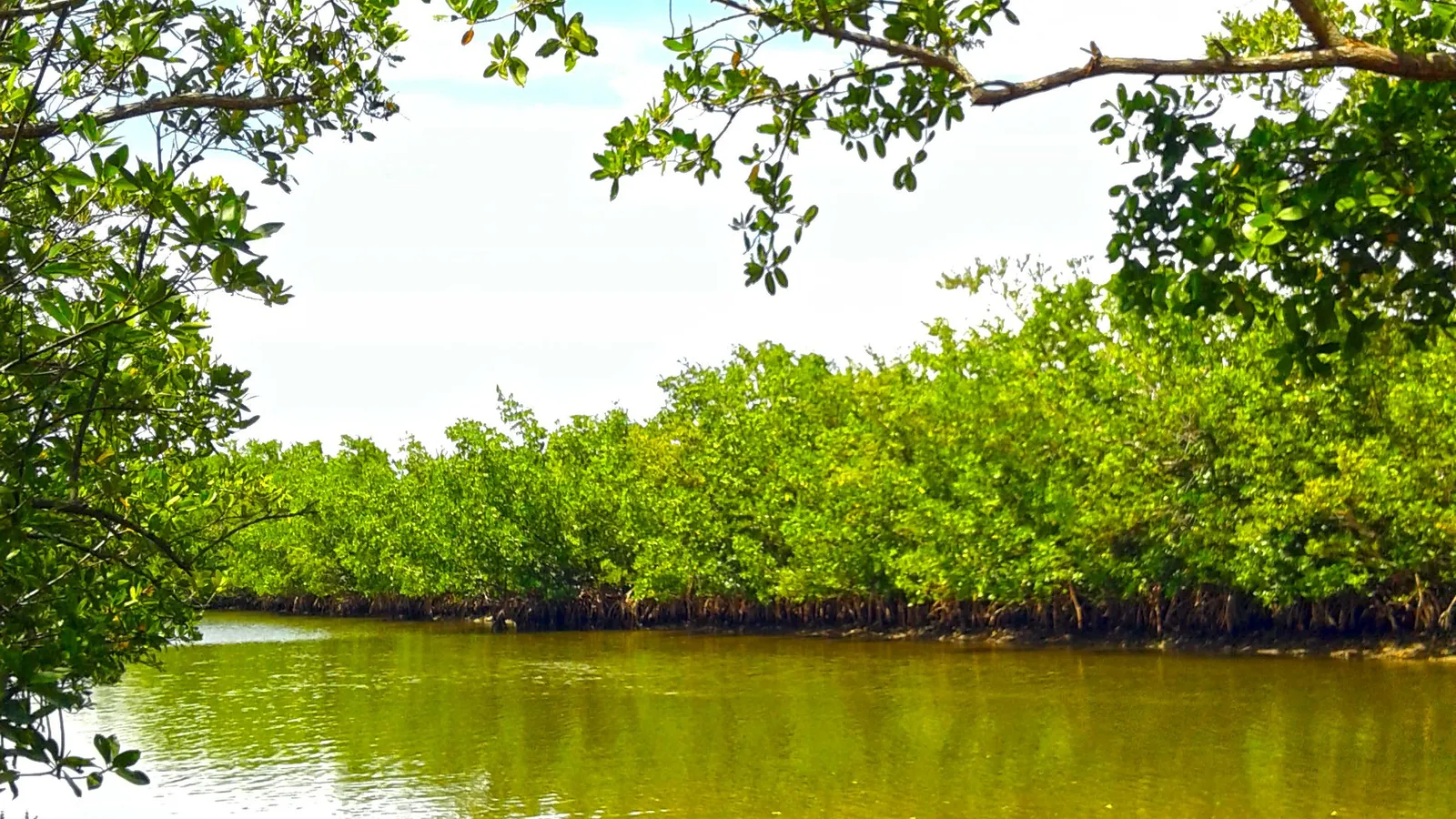
Best for: beginners, mangrove tunnels, wildlife. Flat water, sheltered in the mangroves.
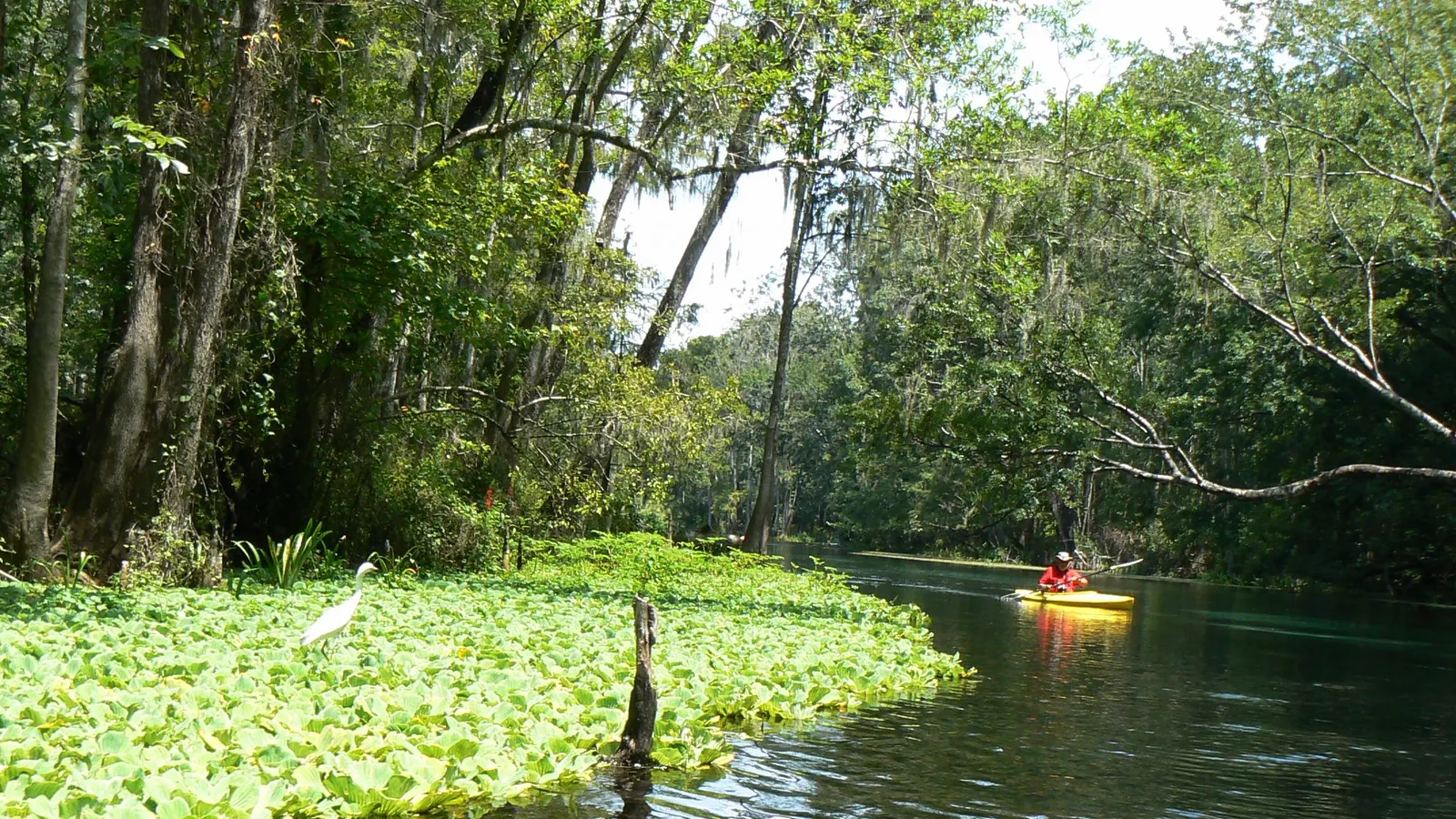
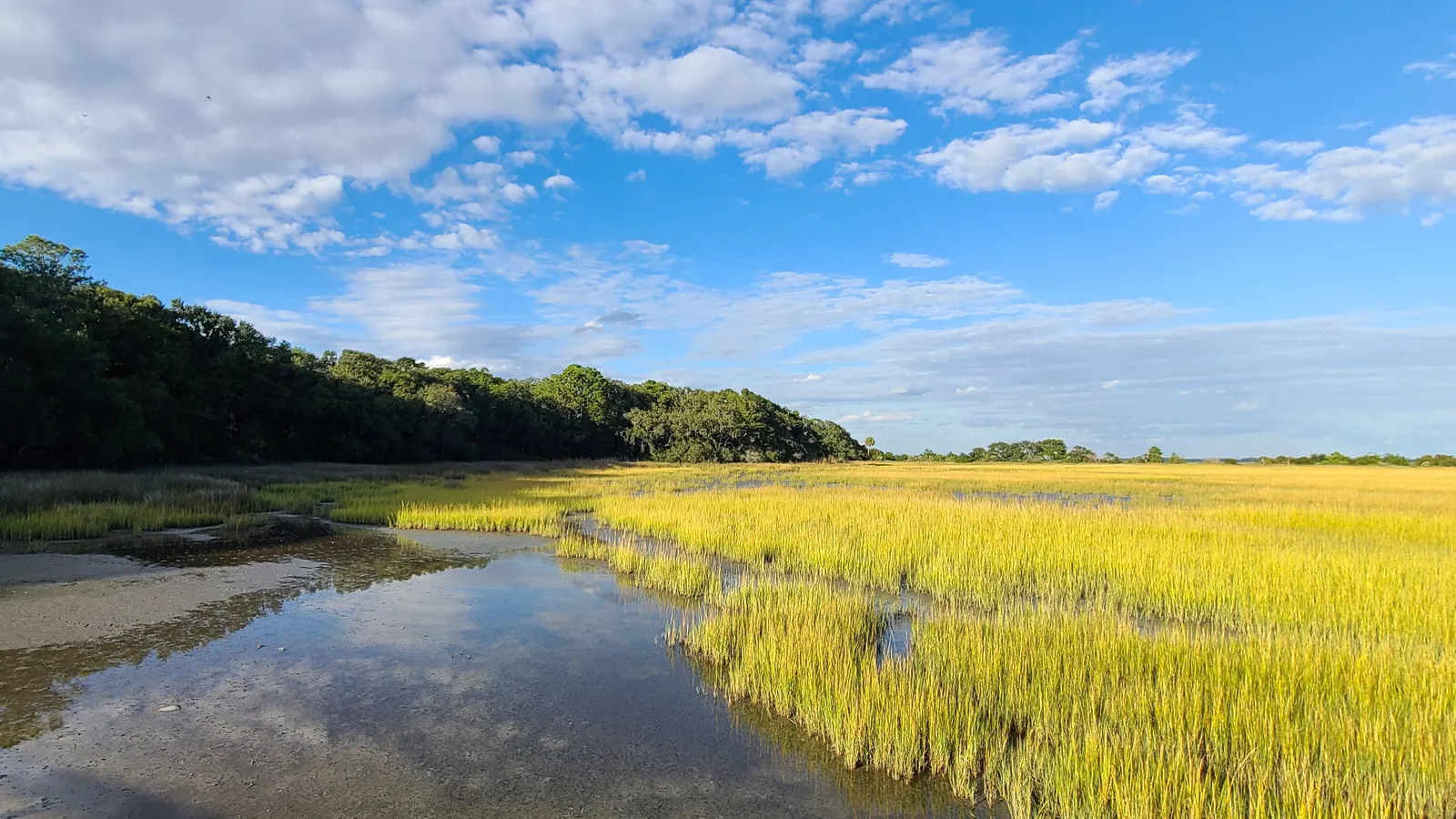
Oleta River State Park covers more than 1,000 acres on Biscayne Bay and is Florida’s largest urban park. The paddling is a mix of mangrove tunnels, the slow-moving Oleta River and a lagoon that opens onto the bay. Florida Rambler puts the main mangrove trail at about an hour, and a 15-acre wooded island known as Sandspur Island (or Beer Can Island) is about 30 minutes’ paddle away for a picnic stop. Manatees and dolphins turn up in these waters, mostly from November to April.
Where to launch: Inside the park at 3400 NE 163rd Street, North Miami Beach. Admission is $6 per vehicle at the time of writing. Private boards launch from the paddle launch near parking lots 4 and 5. There’s also a launch on the Oleta River at 163rd Street, outside the park gate.
Rentals and lessons: Oleta River Outdoor Center, inside the park, rents paddle boards, kayaks and canoes and runs sunset paddles, full-moon kayak tours and paddle board yoga. Park admission isn’t included in the rental.
Good to know: The open lagoon and the crossing to Sandspur Island are exposed to wind. If it’s blowing hard, stay in the mangrove trails. The river route ends at the Intracoastal Waterway, which carries fast boat traffic; don’t paddle out into it.
Virginia Key
Directions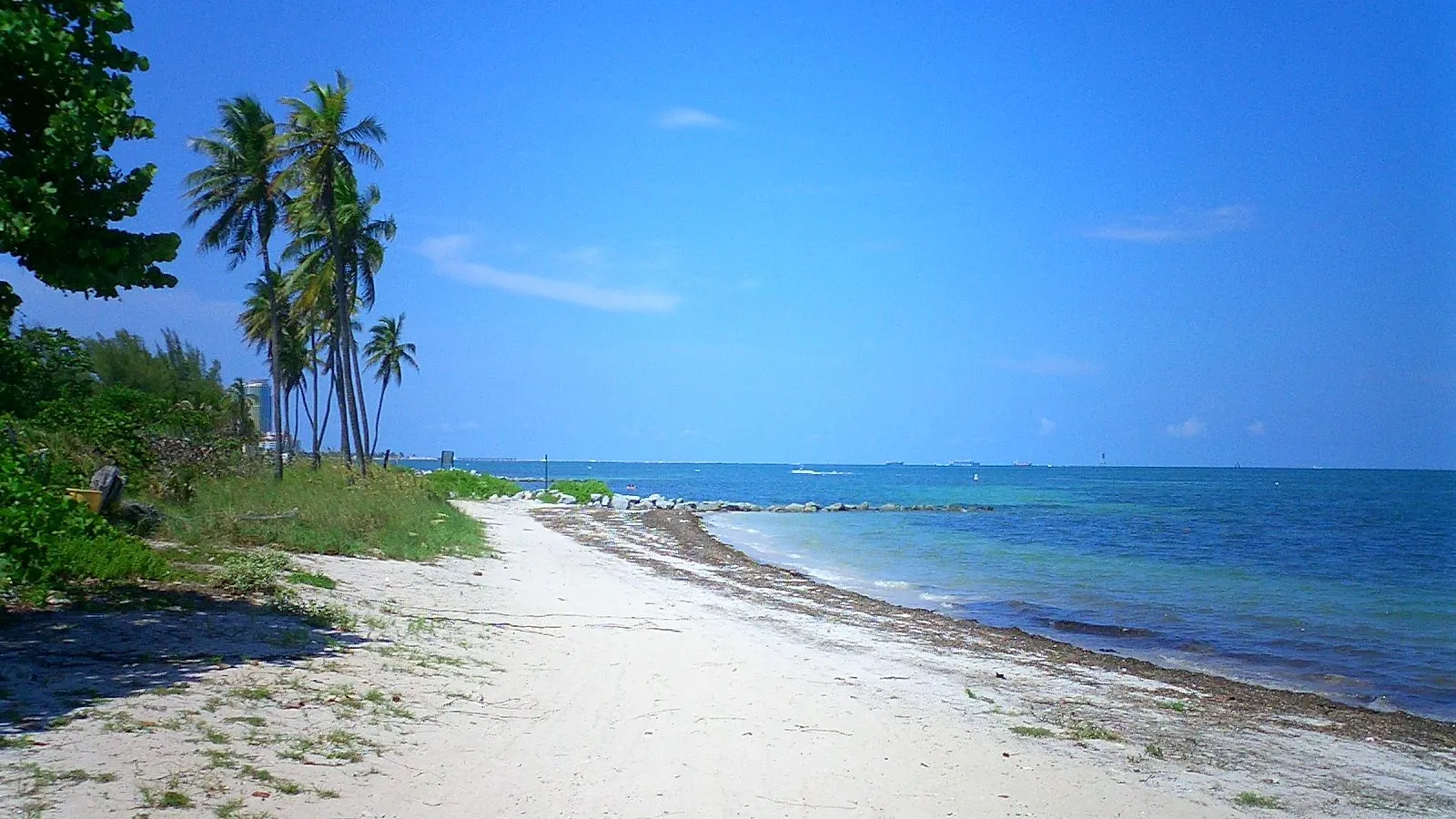
Best for: skyline views, a mangrove lagoon close to downtown. Flat water in the lagoon; open bay beyond.
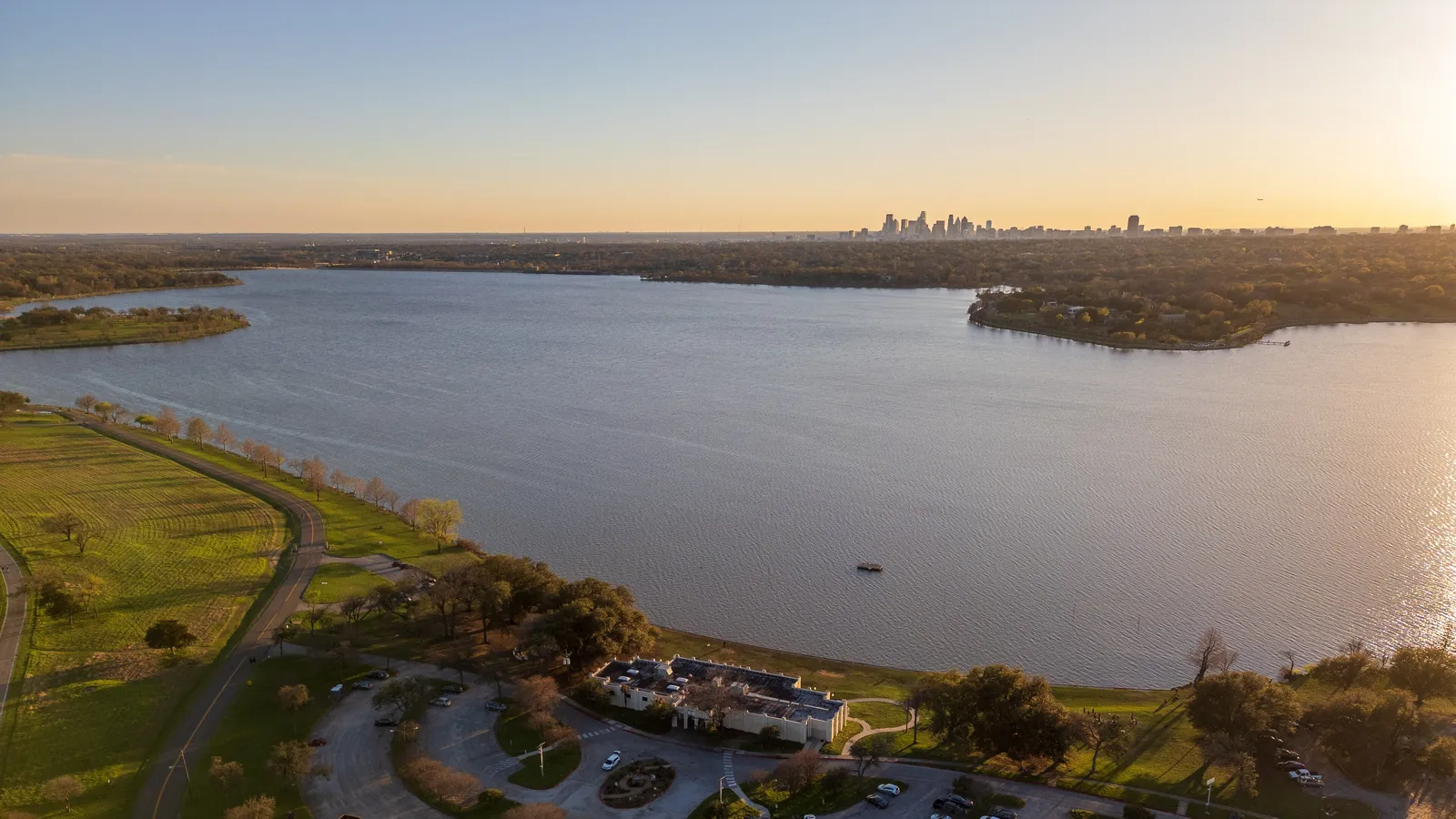
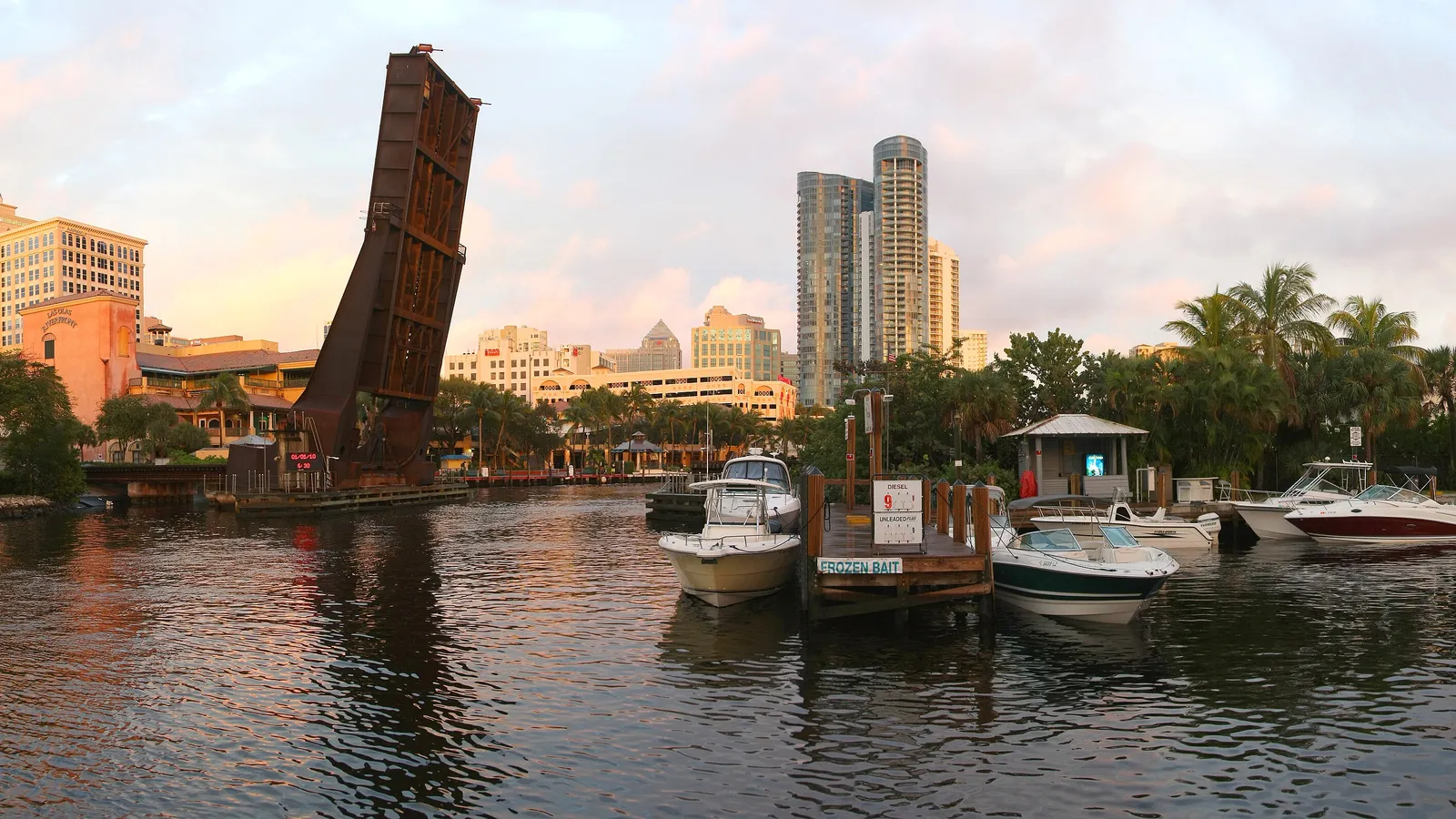
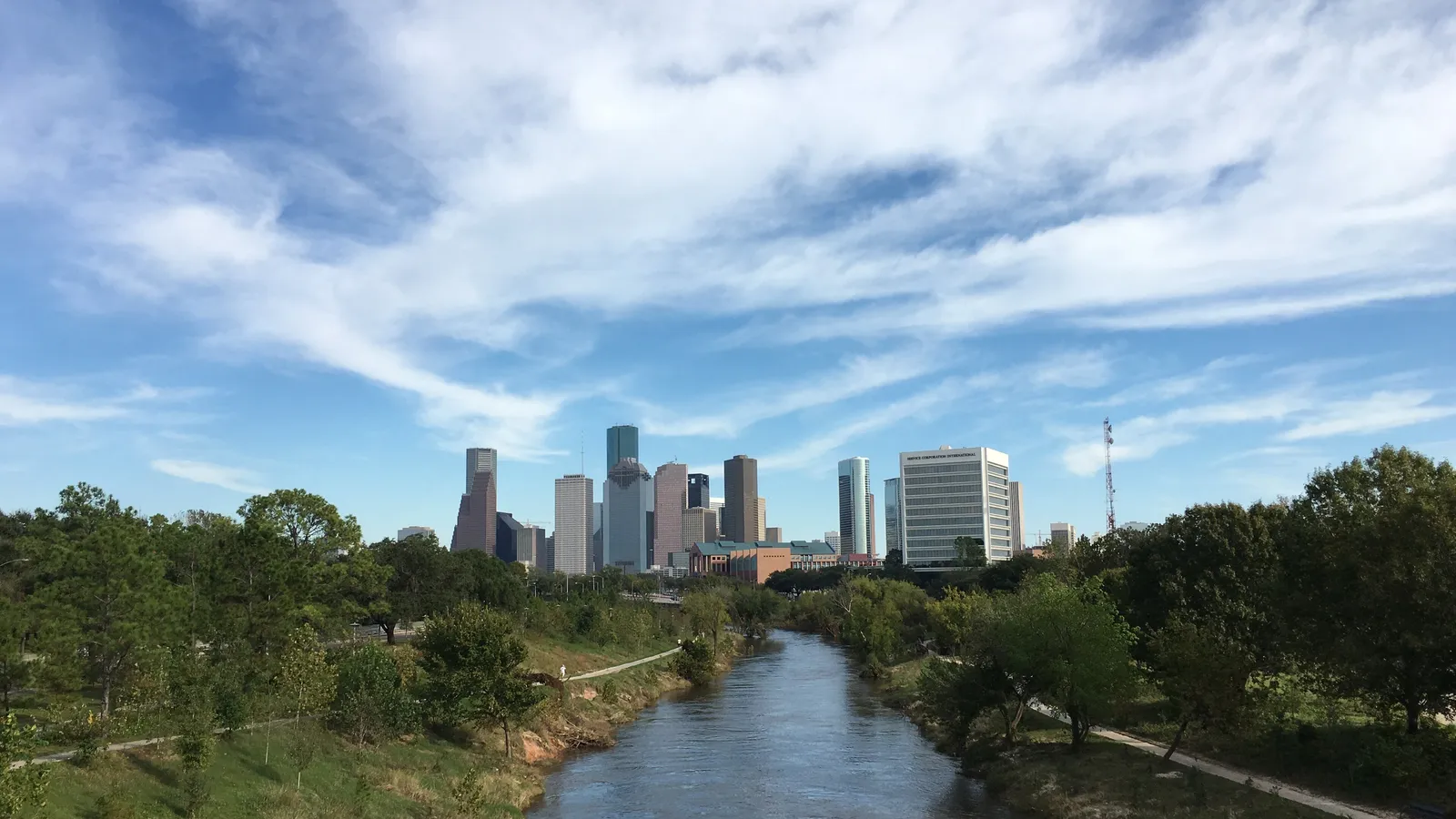
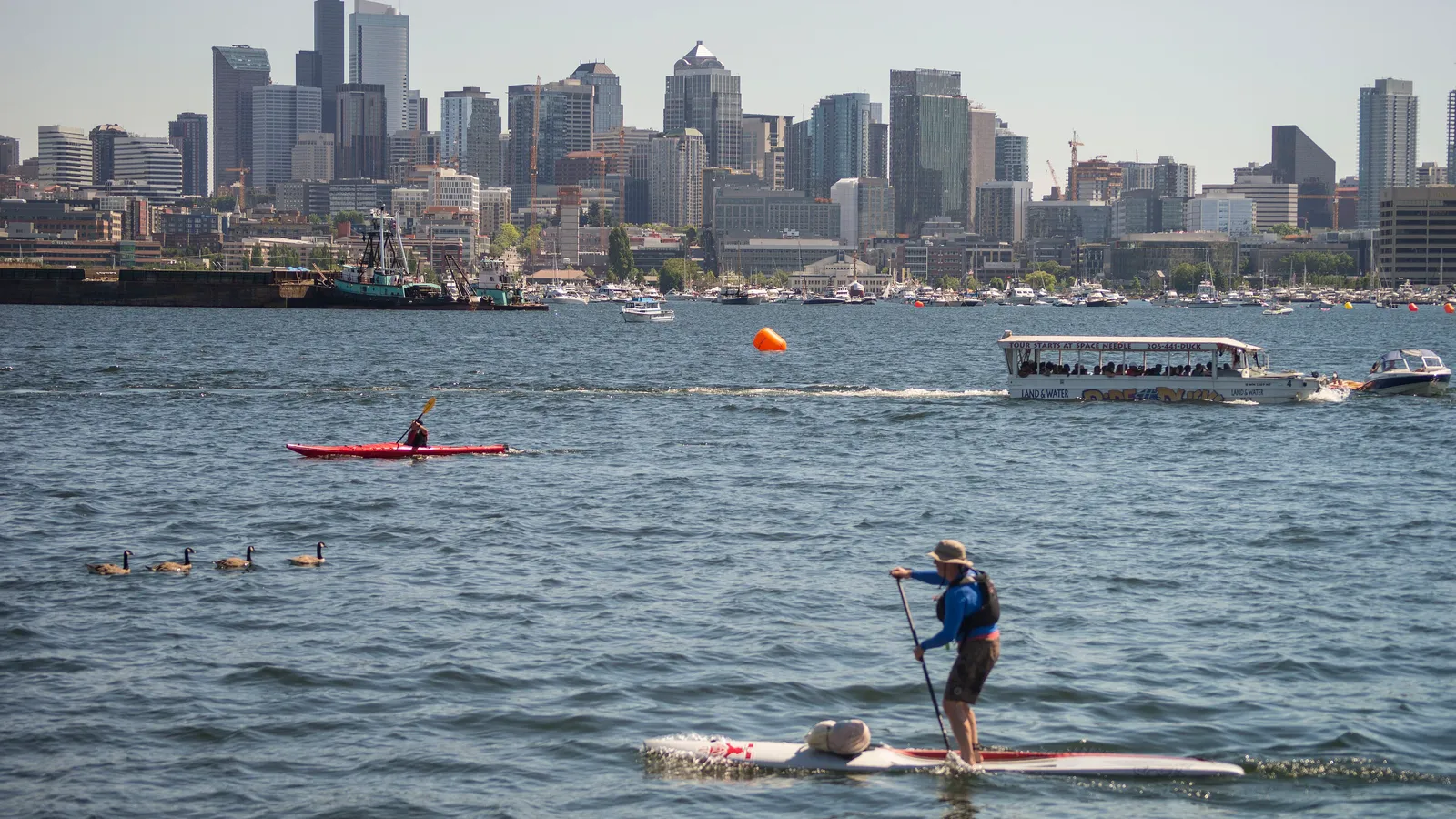
Virginia Key is the island between downtown Miami and Key Biscayne, reached by the Rickenbacker Causeway. Its sheltered lagoon, Lamar Lake, is lined with mangroves, and from there you can paddle out into Biscayne Bay with the downtown skyline in front of you. Rental operators report manatees in winter, plus dolphins, rays and turtles.
Rentals and lessons: Paddle board and kayak rentals are listed on booking sites with a meeting point at 3801 Arthur Lamb Jr Road on Virginia Key, priced from around $27 an hour at the time of writing, with life jackets and a safety briefing included. The long-running Virginia Key Outdoor Center closed in 2022 after a dispute with the city, so older guides that name it are out of date. Confirm your booking before you drive over.
Good to know: Once you leave the lagoon, you’re in open bay water with boat traffic and wind. Stay close to the mangrove shoreline, and save the skyline crossing for a calm morning.
Crandon Park (Key Biscayne)
Directions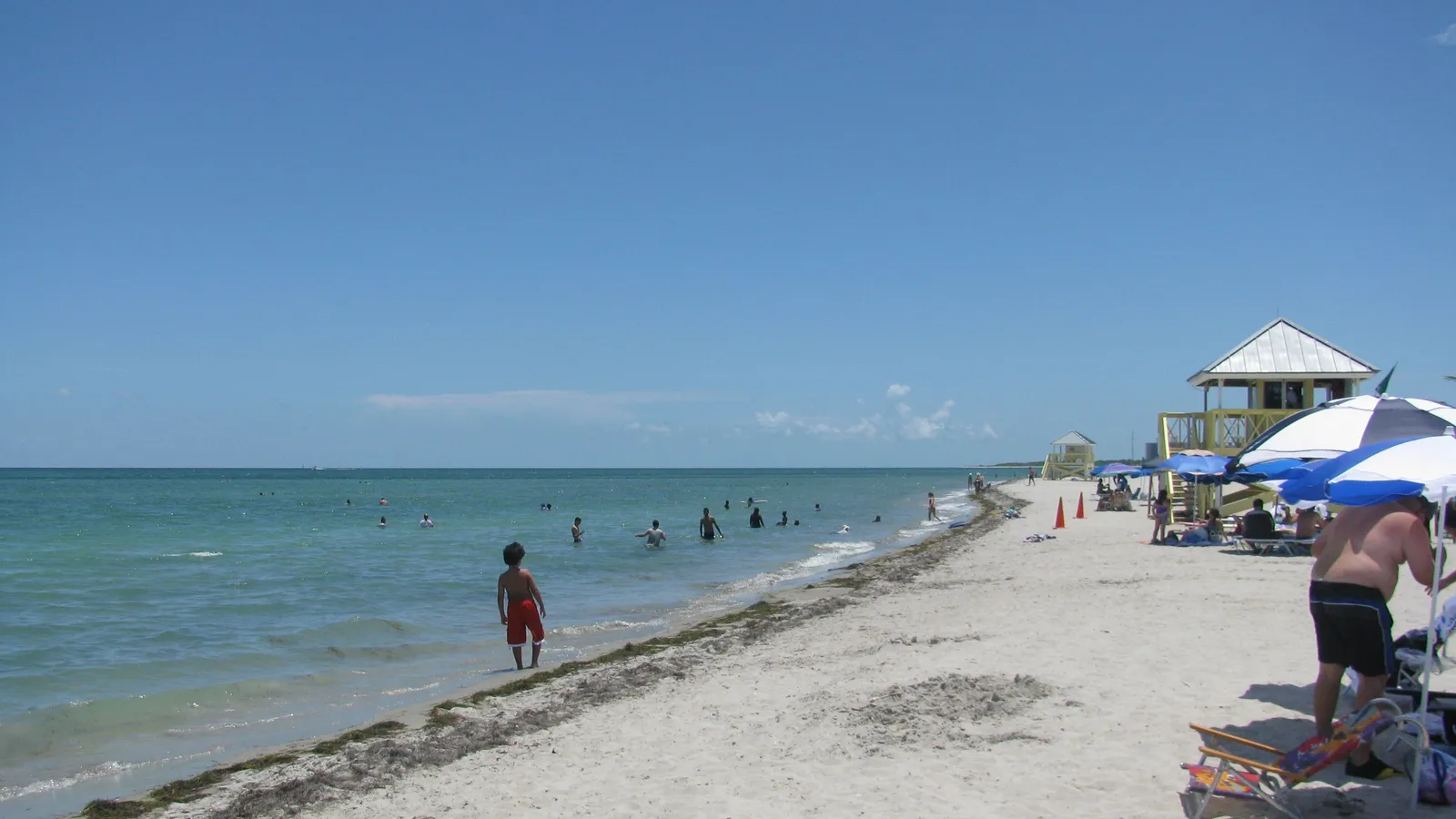
Best for: families who want a beach day with a paddle. Shallow ocean water inside an offshore sandbar.
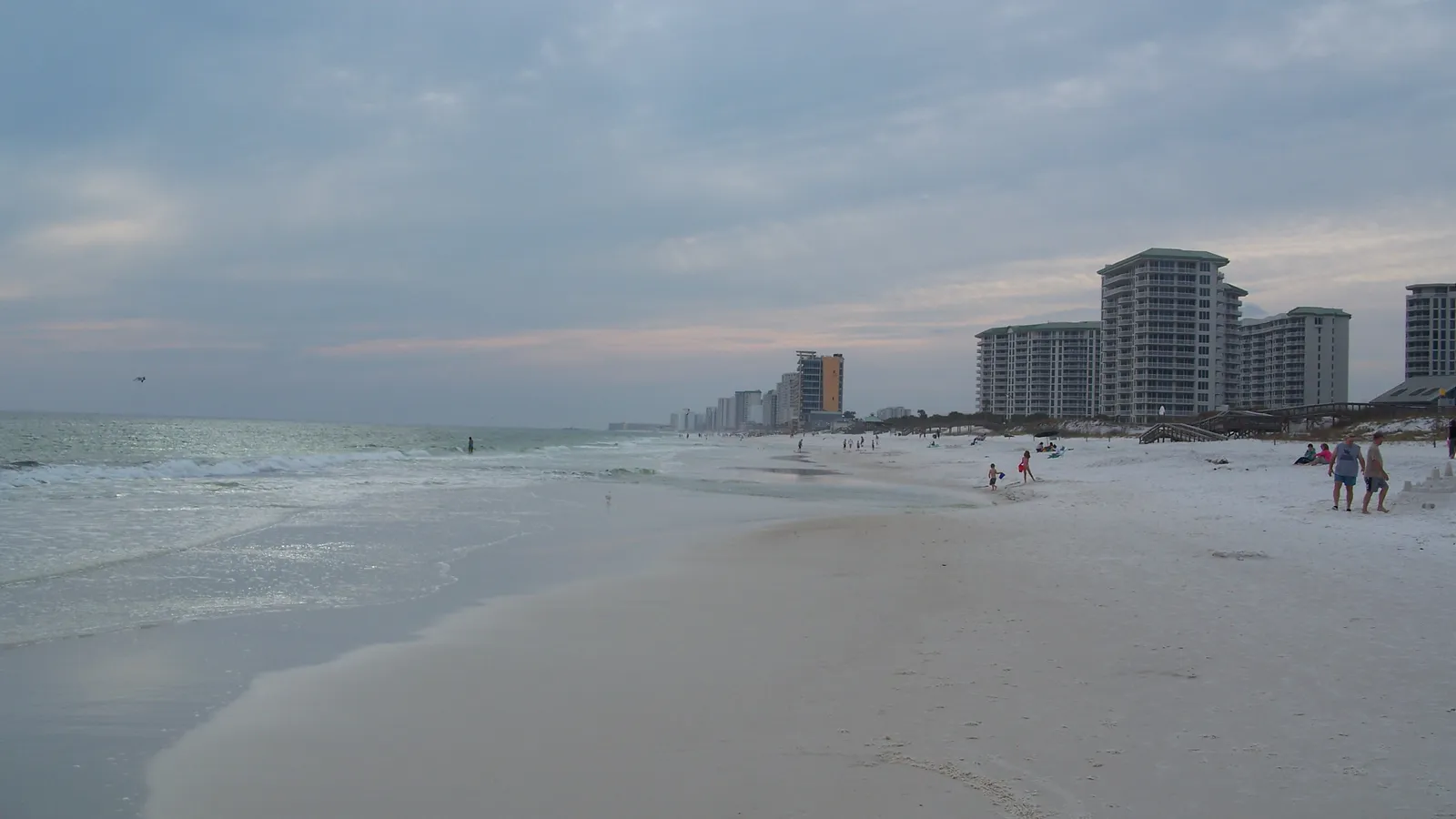
Crandon Park is a Miami-Dade County park on Key Biscayne with a long Atlantic beach, a marina and a nature center. An offshore sandbar knocks down the surf, so the water off the beach is usually shallow and calm. The county notes the sandbar keeps shifting with storms and currents.
Where to launch: This is the main rule to know: Miami-Dade County doesn’t allow you to launch your own paddle board or kayak from Crandon’s beach. Only rentals from the park’s watersports concession and boards on Miami EcoAdventures tours can launch there. Bring-your-own boards launch from Crandon Marina, on the bay side by the causeway. Parking is $7 Monday to Thursday and $10 Friday to Sunday, plus tax, at the time of writing.
Rentals and lessons: The county lists kayak rentals at the north beach concession and kiteboarding rentals and lessons. Miami EcoAdventures, the county’s nature program, runs guided kayak trips from the Crandon Park Nature Center (6747 Crandon Boulevard).
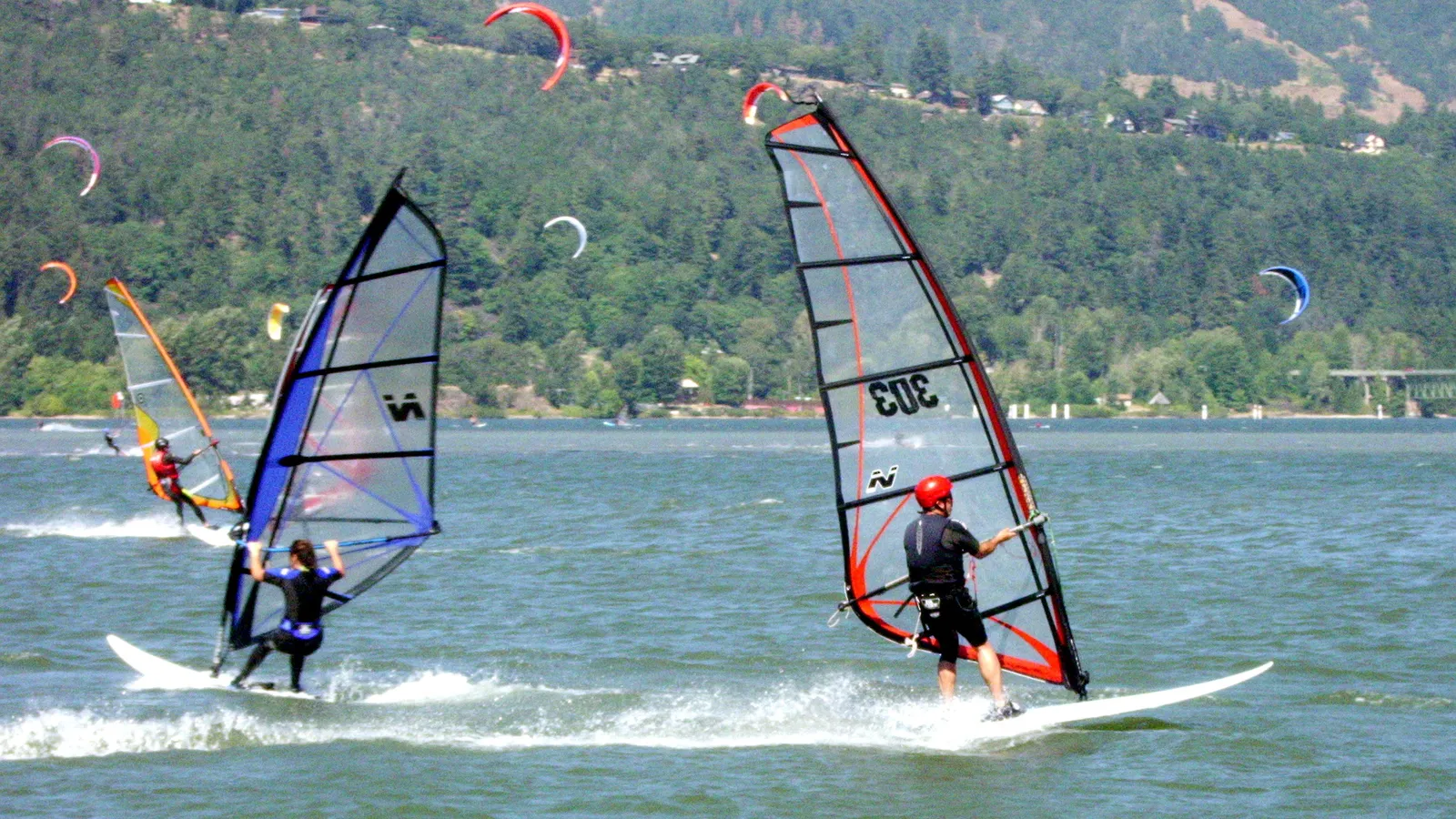
Good to know: Dogs aren’t allowed in the park, except service animals. Kiteboarders use part of the beach, so keep clear of their lines.
Biscayne National Park (Convoy Point)
Directions
Best for: experienced paddlers and quiet mangrove shorelines. Open, shallow bay water.
Biscayne National Park is about 95% water, and its mainland base is Convoy Point, at the Dante Fascell Visitor Center (9700 SW 328th Street, Homestead), south of Miami. From here you can follow the mangrove-fringed shoreline. Experienced paddlers can cross about seven miles of open bay to the outer keys, but that’s an expedition, not a casual paddle.
Where to launch: The National Park Service lets you launch your own paddle craft free from the designated area beside the parking lot, from 7 am to 5:30 pm every day. There’s no park entrance fee.
Rentals and lessons: The park doesn’t rent boats or boards. The Biscayne National Park Institute, based at the visitor center, runs guided paddles, including a short “Kayak the Mangroves” trip for beginners and longer trips to Jones Lagoon.
Good to know: The bay is exposed, and the NPS tells paddlers to be ready for wind, rain and sudden weather changes. Stay within sight of the shore, and keep 300 feet away from bird rookeries.
When to go
You can paddle in Miami all year. NOAA’s long-term averages for Virginia Key in Biscayne Bay run from about 72°F in January to 87°F in August, so most people paddle in a swimsuit and rash guard. A thin top helps on a breezy winter morning. Our wetsuit check uses water and air temperature to tell you what to wear.
- Winter and spring (November–April): the most pleasant season, with lower humidity and manatees in the bay. Cold fronts can bring a few windy days.
- Summer (May–September): hot, with calm mornings and thunderstorms most afternoons. Be off the water before storms build.
- Hurricane season: June 1 to November 30. Watch the forecast.
- Time of day: early morning, before the wind and the weekend boat traffic both pick up.
Planning a crossing, such as Oleta to Sandspur Island? Our Trip time calculator estimates how long it’ll take at your pace.
Rules and safety in Miami
Florida treats a paddle board as a vessel once you’re outside a swimming, surfing or bathing area. According to the Florida Fish and Wildlife Conservation Commission (FWC):
- Life jacket: carry a US Coast Guard–approved wearable life jacket for each person. Anyone under 6 must wear one while underway. See our pick of the best PFDs for SUP.
- Sound device: carry a whistle or horn.
- After dark or in poor visibility: have a white light ready to show in time to prevent a collision.
Local rules and habits:
- Launch where it’s allowed. At Crandon Park, your own board launches from the marina, not the beach. Stay out of buoyed swim areas everywhere.
- Stay out of the Intracoastal Waterway and the inlets. Boats move fast, and inlets like Haulover have strong tidal currents.
- Manatees: give them room, and never chase, touch or feed them.
- Lightning: get off the water at the first rumble of thunder.
- Wear a leash in open bay water, so wind can’t blow your board away if you fall.
FAQ
Where can beginners paddle board in Miami?
Oleta River State Park. You can rent a board inside the park and stay in the sheltered mangrove trails, which are calm even on windy days.
Can you paddle board to the Haulover Sandbar?
It’s possible, but we don’t recommend it for most paddlers. The sandbar sits in the Intracoastal near Haulover Inlet, where strong tidal currents, gusty wind and heavy boat traffic all meet, especially on weekends.
Do I need a permit to paddle board in Miami?
No. You’ll pay park admission at Oleta River and parking at Crandon Park, but there’s no permit for paddling. Launching your own board at Biscayne National Park is free.
Can I bring my dog paddle boarding in Miami?
Not at Crandon Park, which bans pets. Check each park’s rules before you go, and read how to paddle board with a dog first.
Is there anywhere similar nearby?
Head south for coral reefs and mangrove islands: see where to paddle board in the Florida Keys. Choosing a board for windy bay paddling? Our Board Fitter suggests a size, and our guide to paddle boarding in the ocean covers wind and chop.