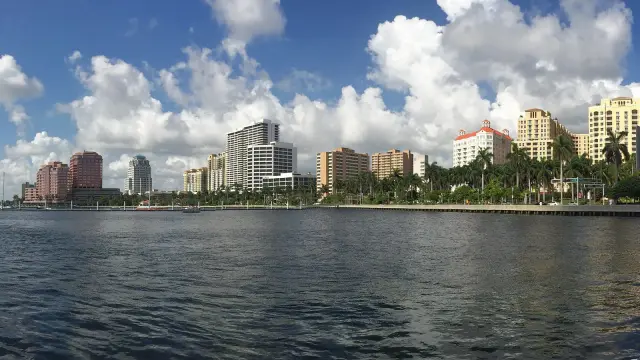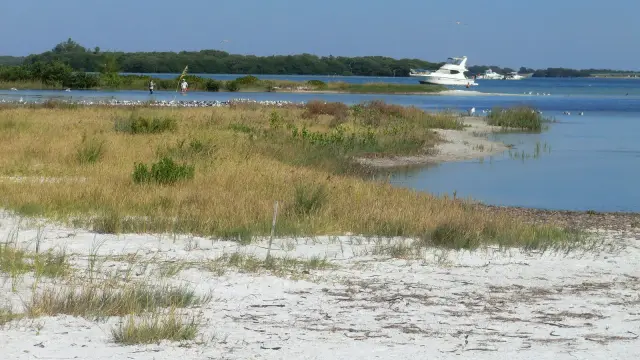
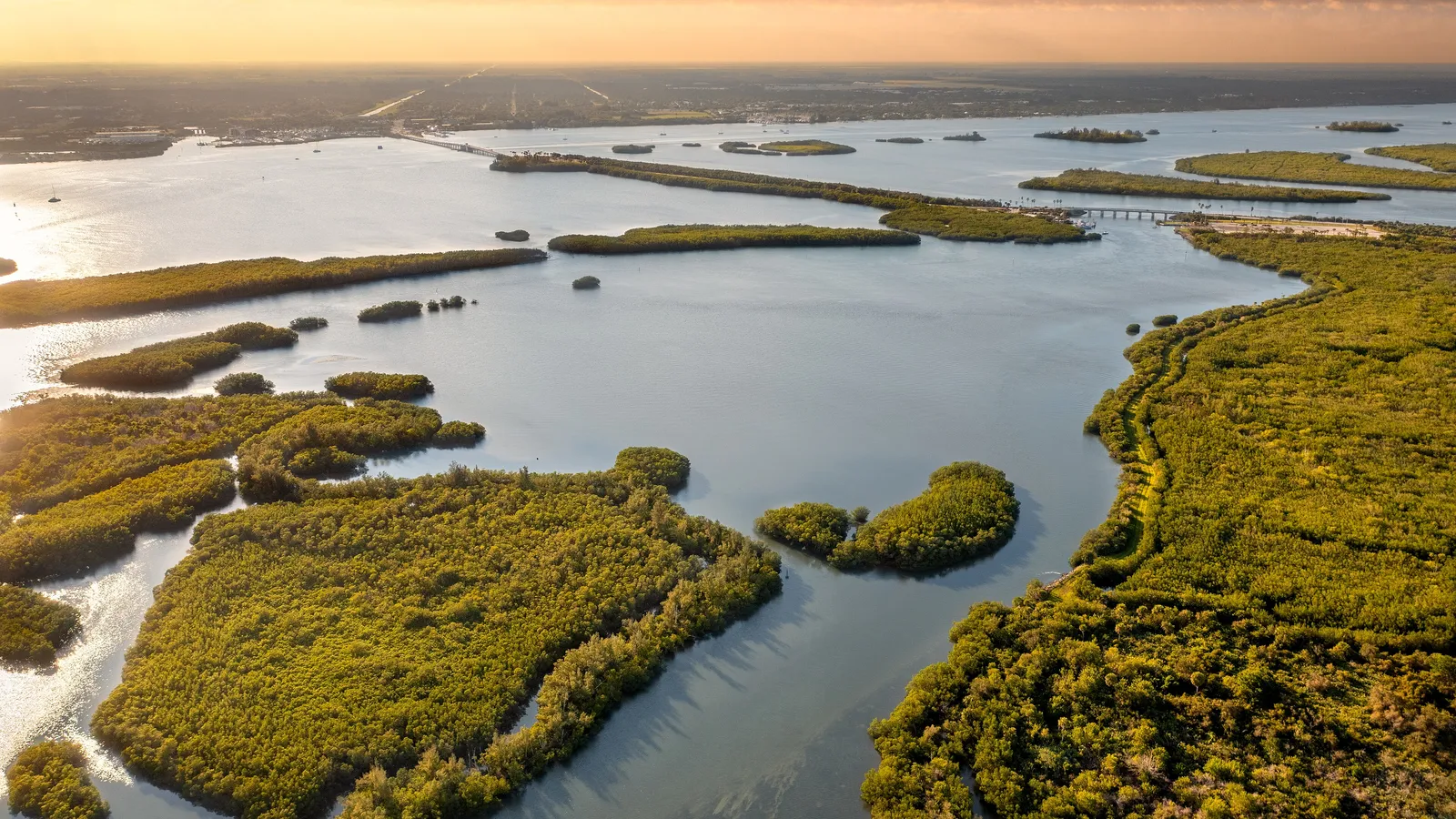
The best place to paddle board in Cocoa Beach is the Thousand Islands, a maze of mangrove islands in the Banana River on the west side of town. Launch from Ramp Road Park and you’re in sheltered, flat water within a few strokes. For something different, take a night paddle to see bioluminescence on the Banana River, or drive north to the lagoons of Merritt Island National Wildlife Refuge.
Cocoa Beach works for paddling because it sits on a narrow barrier island between the Atlantic and the Banana River Lagoon, part of the Indian River Lagoon system. That gives you flat, warm, wildlife-rich water on one side of town and surf on the other. The lagoon is shallow and sheltered from waves, but wind and summer storms still matter.
Quick answer
- First time on a board: the Thousand Islands, launching from Ramp Road Park.
- Night paddle: a guided bioluminescence tour on the Banana River Lagoon.
- Wildlife: Merritt Island National Wildlife Refuge, launching at Bair’s Cove on the Haulover Canal.
- The ocean: only on small, clean days, and away from swimmers and surfers.
- Rocket launch views: the refuge and the lagoon face Kennedy Space Center, but access can be restricted on launch days.
The best places to paddle board in Cocoa Beach
Thousand Islands (Banana River)
DirectionsBest for: beginners, families and wildlife. Flat, shallow lagoon.
The Thousand Islands are a group of about 100 natural and spoil islands in the Banana River Lagoon, right behind Cocoa Beach. Together they cover roughly 900 acres of salt marsh, red, black and white mangroves and small hammocks. The State of Florida bought them in 1988 and leases them to the City of Cocoa Beach for recreation and conservation. The Minutemen Causeway splits them roughly in half.
Where to launch: Ramp Road Park (401 Ramp Road), a city park with launching ramps for motorized and non-motorized boats, a dock, picnic tables and a playground. From here you can paddle straight out into the channels between the islands.
Tours: Fin Expeditions (599 Ramp Road), a family-owned company running tours here since 2005, leads guided kayak tours through the mangrove tunnels and around the Thousand Islands.
Good to know: The water is shallow, so watch your fin over seagrass and oyster beds. The narrow mangrove channels are easy to get turned around in; keep track of where you entered. You may see manatees and dolphins: give them space and never chase, touch or feed them.
Banana River at night (bioluminescence)
Directions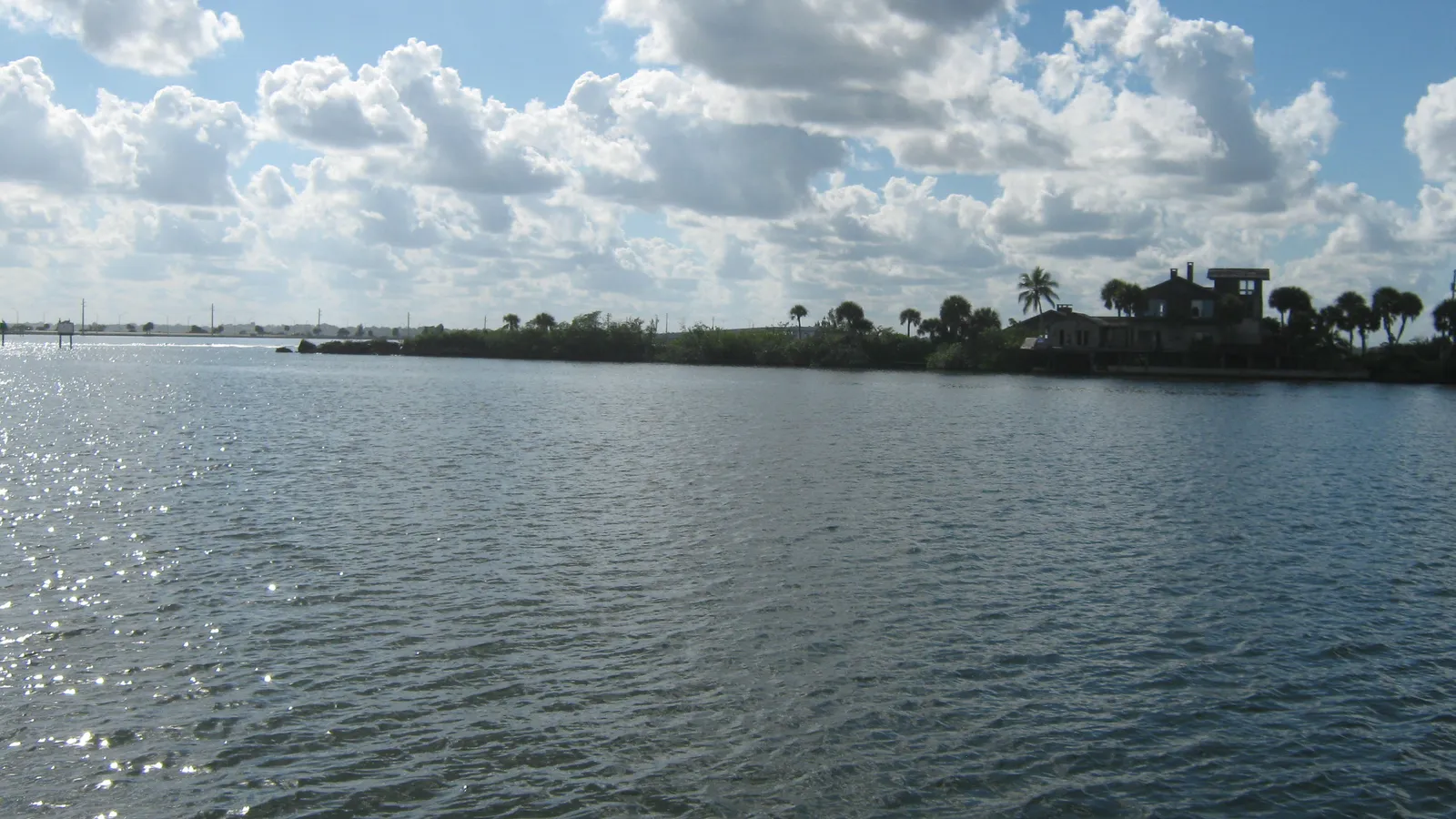
Best for: a once-in-a-lifetime night paddle. Flat lagoon, at night.
On some nights the Banana River Lagoon glows: paddle strokes and moving fish light up the water with bioluminescence. Local outfitters build whole night tours around it.
How to do it: Go with a guide. Fin Expeditions runs nighttime bioluminescence kayak tours, including clear-kayak tours, on the Banana River Lagoon from Ramp Road. Paddling unfamiliar water alone at night is a bad idea, and you’ll need a white light ready to show (see the rules below).
Good to know: The glow is brightest on dark nights away from city lights. Bring bug spray, and expect the tour to be in kayaks rather than on boards.
Merritt Island National Wildlife Refuge
Directions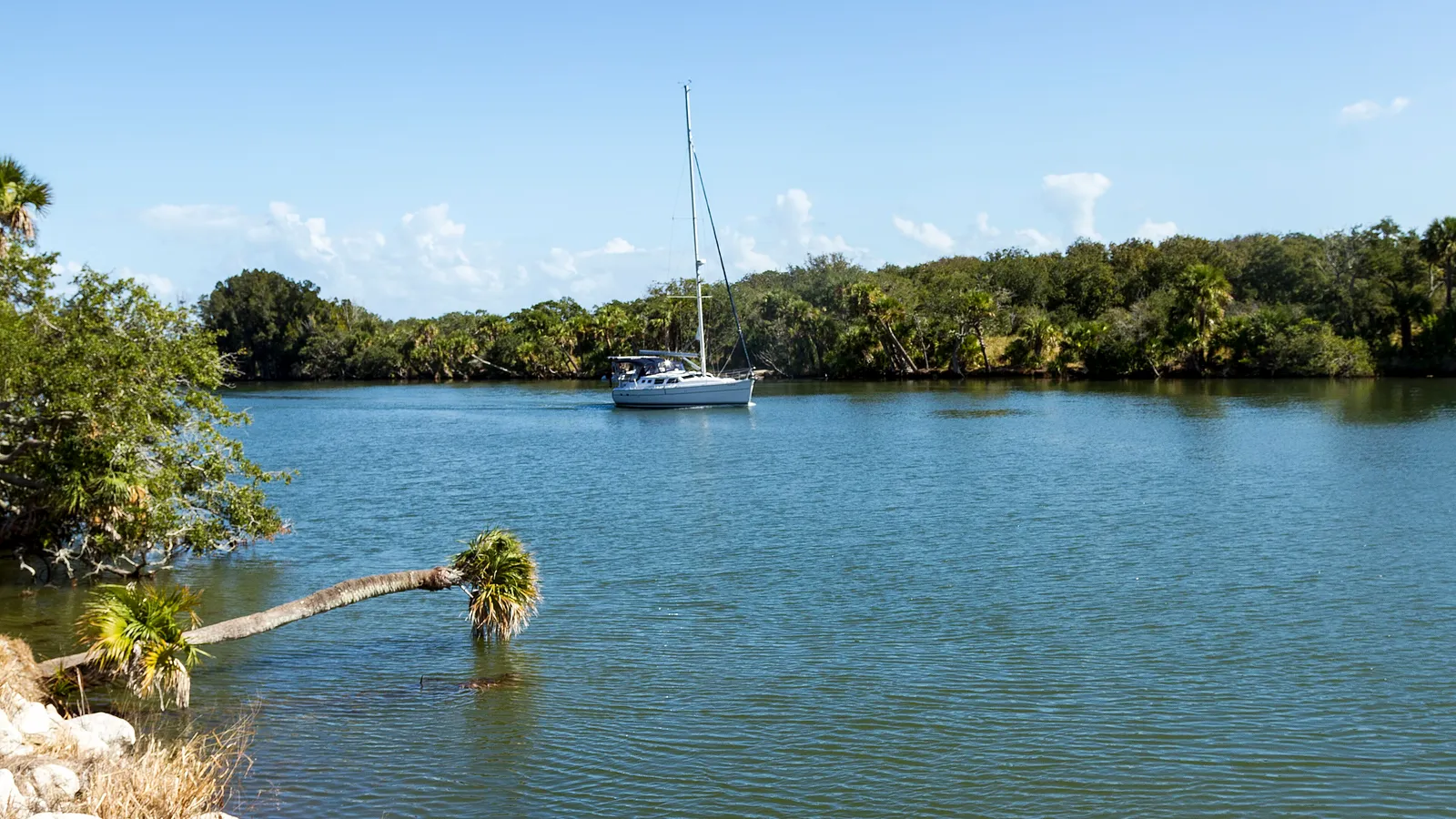
Best for: wildlife and wilder scenery. Flat lagoon and canal.
Merritt Island National Wildlife Refuge sits on the Kennedy Space Center grounds, north of Cocoa Beach, and the US Fish and Wildlife Service describes it as lying within one of the most productive estuaries in the country. The Haulover Canal links the Indian River with Mosquito Lagoon at the north end of the island.
Where to launch: Bair’s Cove boat ramp on the Haulover Canal. A Merritt Island refuge pass is needed to launch at Bair’s Cove, Beacon 42 and Bio Lab ramps: $10 per vehicle per day or $25 a year at the time of writing, or an interagency pass. Refuge roads, trails and ramps are open sunrise to sunset; Bair’s Cove and Beacon 42 are the only ramps open for night launching.
Good to know: NASA can restrict access to parts of the refuge, including boat ramps, during launch operations. The Haulover Canal is a navigation channel used by boats; hug the edge or paddle the lagoon shoreline nearby instead. This is wild Florida, so expect alligators in fresh and brackish water.
Cocoa Beach (ocean, flat days only)
Directions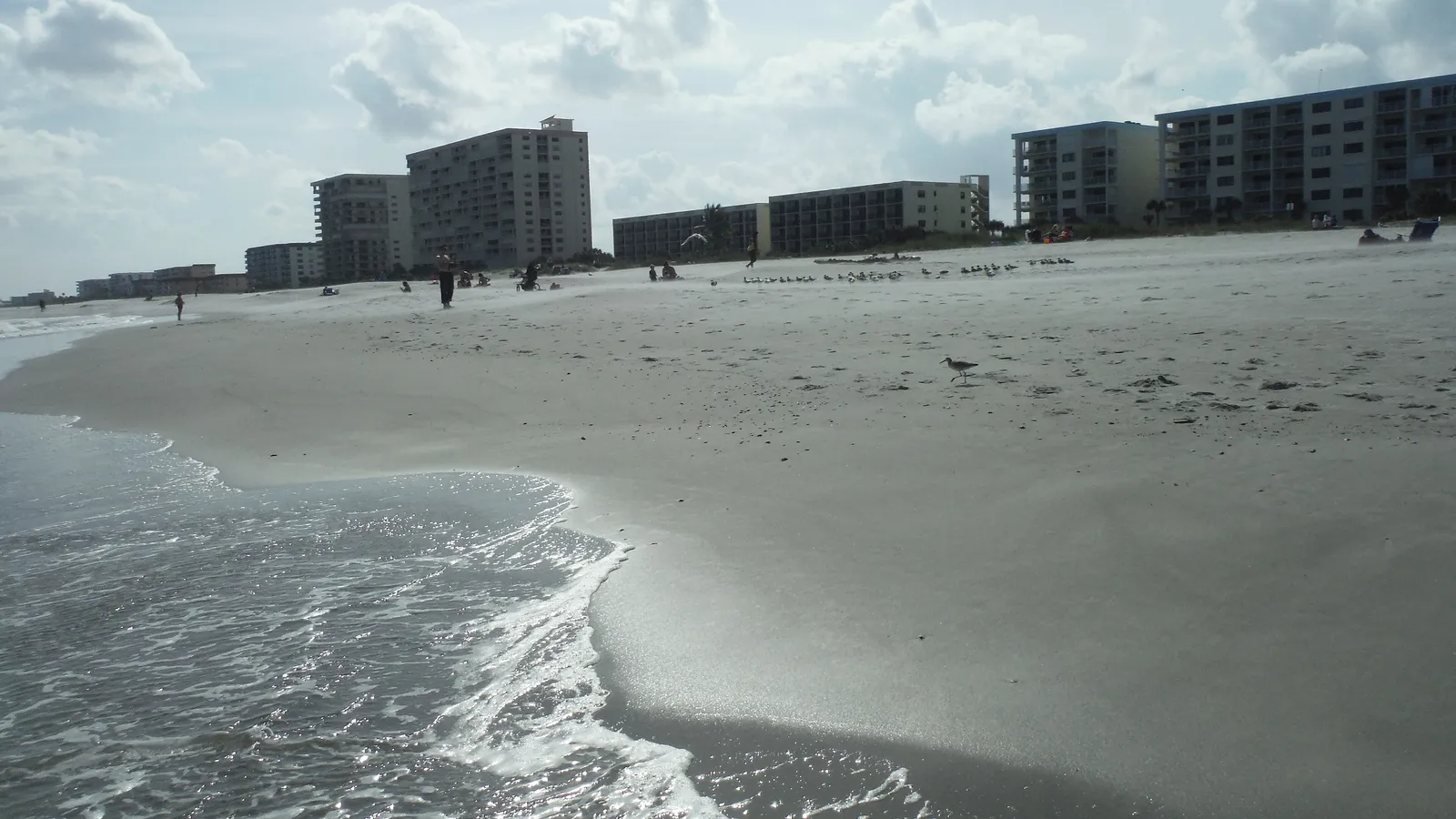
Best for: experienced paddlers on small, clean days. Open ocean.
Cocoa Beach is a surf town, and on the rare flat mornings the ocean can be glassy enough to paddle outside the break. Most days, though, there’s shore break and current, and the beach belongs to swimmers and surfers.
Where to launch: From a beach access away from lifeguard swim areas, such as Lori Wilson Park, a county beach park on North Atlantic Avenue.
Good to know: The City of Cocoa Beach asks everyone to check the beach warning flags and the National Weather Service beach forecast before going in, and to know their skill level. Give swimmers and surfers plenty of room, and give sea turtles and birds space too. Wear a leash, and read how to paddle board in the ocean before you try it.
When to go
The Space Coast is warm-water country. NOAA’s Trident Pier tide station at Port Canaveral recorded monthly average water temperatures of about 68°F in January 2025 and about 86°F in July 2025.
- Spring (March–May): warm water and less humidity than summer. A great time for the lagoon.
- Summer (June–September): hot, with frequent afternoon thunderstorms. Paddle early and get off the water when you hear thunder. Hurricane season runs June to November.
- Fall (October–November): warm water and fewer crowds after the summer peak.
- Winter: cooler water and windy days when fronts pass. Our wetsuit check uses water and air temperature to suggest what to wear.
- Wind: the lagoon is shallow and open, so it gets choppy fast in wind. Mornings are usually calmer.
Exploring the islands for a few hours? Our Trip time calculator estimates how long a route will take at your pace.
Rules and safety in Cocoa Beach
In Florida a paddle board counts as a vessel when you’re outside a swimming, surfing or bathing area. According to the Florida Fish and Wildlife Conservation Commission (FWC):
- Life jacket: carry a US Coast Guard–approved wearable life jacket for each person. Children under 6 must wear one while underway. See our pick of the best PFDs for SUP.
- Sound device: carry a whistle or horn.
- After dark or in poor visibility: have a white light, such as a flashlight, ready to show in time to prevent a collision.
Local rules and habits:
- Give manatees, dolphins and sea turtles space. Don’t chase, touch or feed them.
- Refuge rules: a refuge pass is required to launch at the Merritt Island ramps, and access can close during launch operations.
- Beach flags: check the flags and beach forecast before paddling in the ocean, and stay out of swim areas.
- Weather: summer storms build quickly. Watch the sky to the west.
FAQ
Where can beginners paddle board in Cocoa Beach?
The Thousand Islands. Launch from Ramp Road Park and stay in the sheltered water between the islands.
Can you paddle board in the bioluminescence in Cocoa Beach?
The glow happens on the Banana River Lagoon. The safest way to see it is on a guided night tour, such as Fin Expeditions’ kayak tours from Ramp Road.
Do I need a permit to paddle board in Cocoa Beach?
No permit is needed to paddle the Banana River or the ocean. You’ll need a refuge pass to launch at Merritt Island National Wildlife Refuge’s ramps.
Can I paddle board in the ocean at Cocoa Beach?
On small, clean days, if you’re experienced. Most days there’s surf and current, and the beach is busy with swimmers and surfers. The lagoon is a much better bet for most people.
Is there paddling near Orlando too?
Yes. Cocoa Beach is on the coast east of Orlando; if you’re staying inland, see our guide to where to paddle board in Orlando.
Not sure what size board you need for flat lagoon water? Try our Board Fitter.