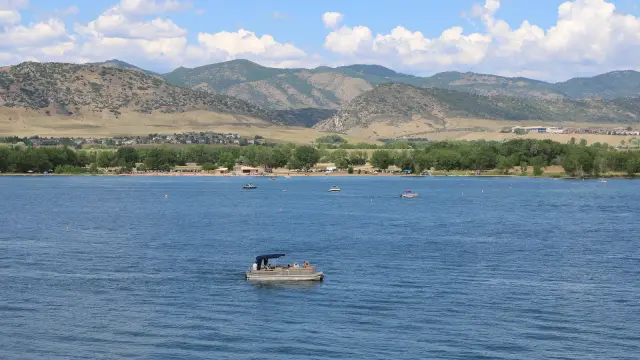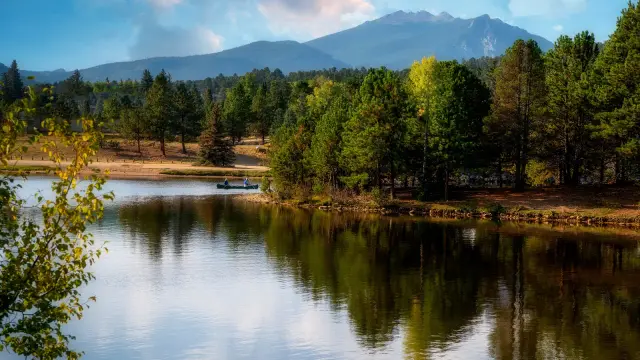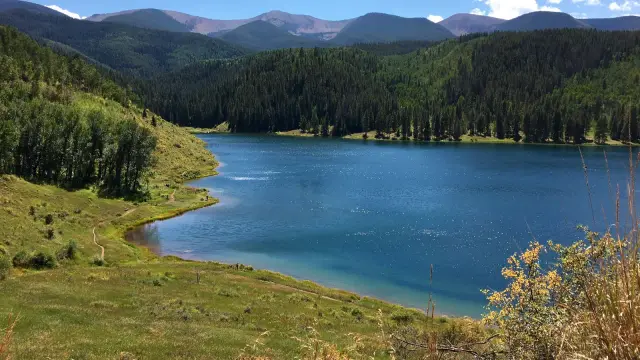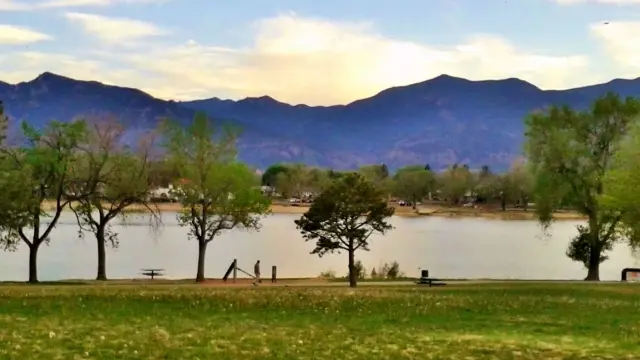




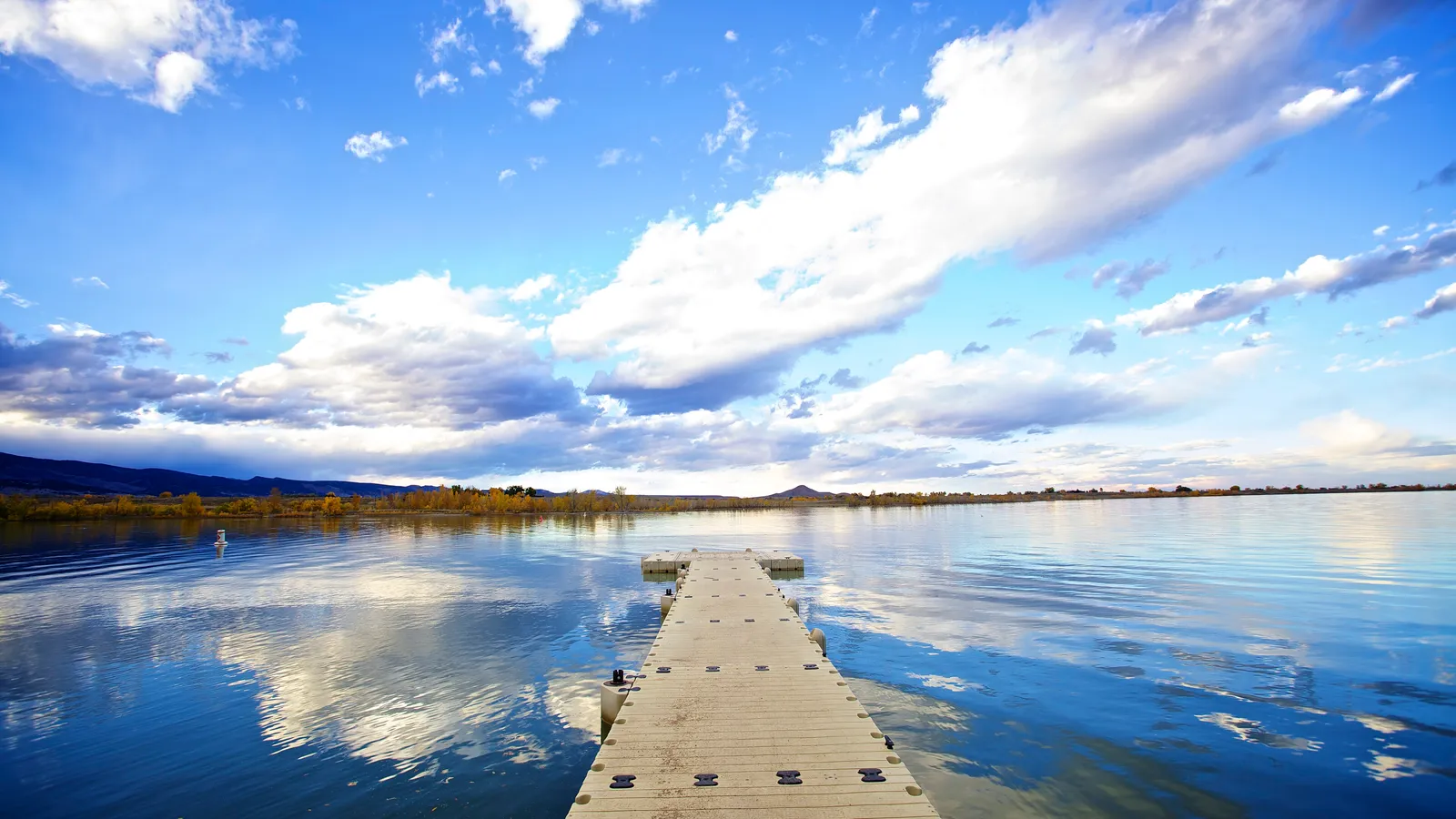
Boulder Reservoir is the best place to paddle board in Boulder: it sits just north of town, has a rental stand on the beach, and gives you big flat water with the foothills behind you. For the prettiest paddle, drive 20 minutes to McIntosh Lake in Longmont, a quiet no-motor lake with Longs Peak and Mount Meeker reflected in it at sunrise.
Boulder itself has no lake you can just walk up and launch on, so paddling here means the reservoirs on the plains east and north of town, plus one high mountain lake in summer. What they share is a mountain view, dry air and mostly calm mornings. What catches people out is the paperwork: Boulder Reservoir needs a permit for your own board, and every lake has its own rules.
Quick answer
- First time on a board: Boulder Reservoir, renting from the stand on the south shore so you don’t need your own permit.
- Most scenic: McIntosh Lake in Longmont at sunrise, for the view of Longs Peak and Mount Meeker.
- Bring your own board, no permit hassle: McIntosh Lake (carry-in, no motors) or Union Reservoir (small daily watercraft fee).
- A bigger lake: Standley Lake in Westminster, open to paddle craft May through September.
- Mountain paddle: Brainard Lake at about 10,300 feet, mid-June to early October, with a timed-entry parking reservation.
The best places to paddle board in Boulder
Boulder Reservoir
Directions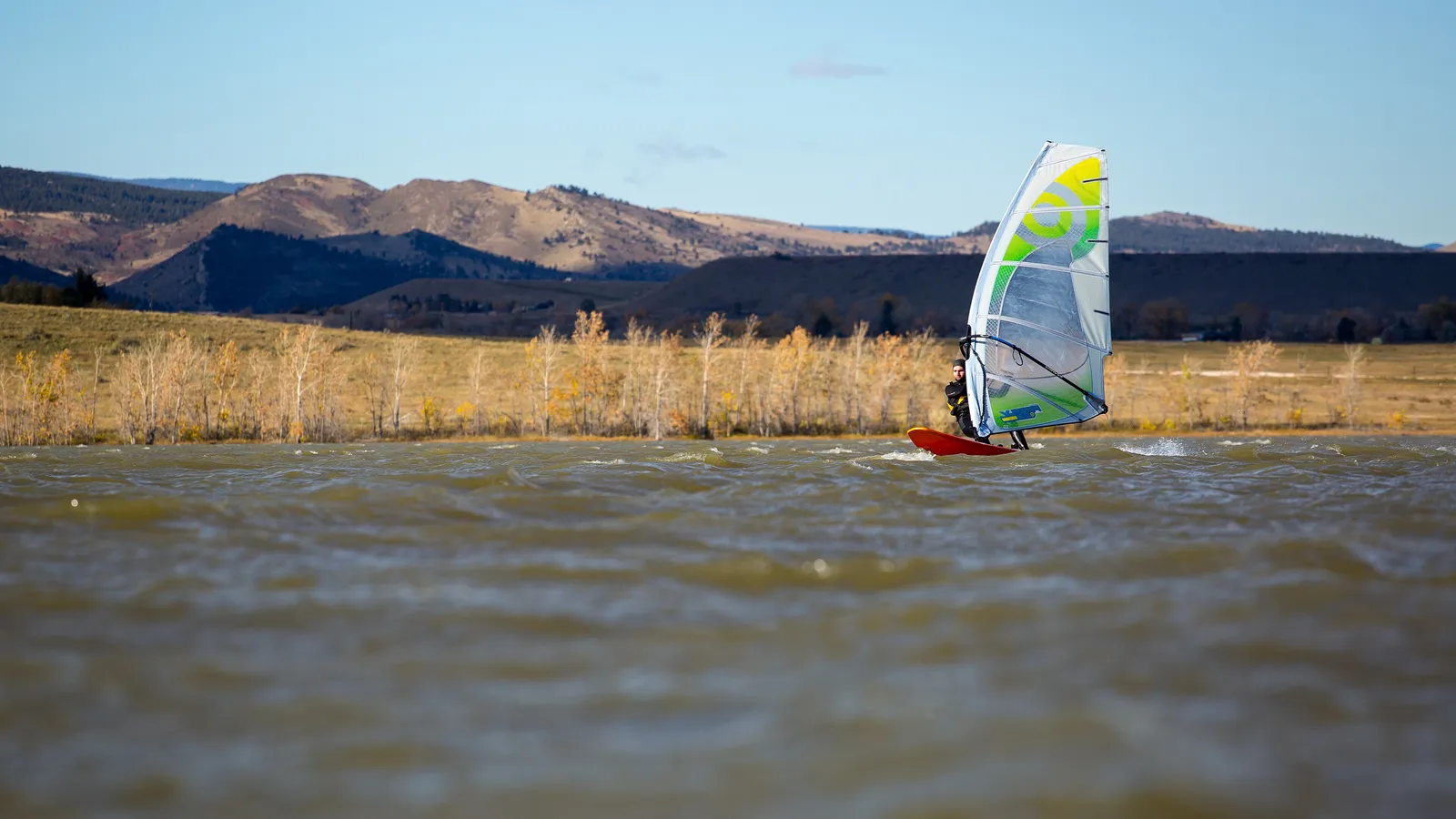
Best for: beginners who rent, local paddlers with a season permit. Flat water, but often windy.
The City of Boulder describes the reservoir as a 700-acre recreation and water-storage area on the north side of town. It’s the one with the swim beach, sailboats, water-skiers and windsurfers, so on a summer afternoon it’s busy. Early on a weekday it’s glassy, with the foothills along the western shore.
Where to launch: The city’s boat permit page says all watercraft may only launch from the south shore, after an aquatic nuisance species (ANS) inspection. The north shore is off limits to boards. The main entrance is at 5275 Reservoir Road.
Fees and permits: From April 1 to October 31 you pay a daily entry fee to get in. For 2026 the city lists $12 per person (age 3+) or $20 for a car with two people from May 22 to September 7, and $5 per person or $10 per carload in spring and fall. That’s separate from the board permit (see below).
Your own board: Every paddle board, inflatable or hard, needs a current City of Boulder Reservoir watercraft permit. Permits are sold online only, up to three per person, and the inspector sticks the permit on your board the first time you bring it. All boards are inspected on the way in and the way out. Visit Boulder, the city’s tourism office, warns that permits for personal boards sell out in spring, so buy early.
Rentals and lessons: Rocky Mountain Paddleboard runs the rental stand at the reservoir, with boards, kayaks, lessons and SUP yoga. Renting is the easy way in: you skip the permit and inspection, and only pay entry.
Good to know: Dogs aren’t allowed from mid-May to Labor Day. The city posts blue-green algae alerts for the reservoir and offers text notifications, so check before you swim or let kids splash. Wind often picks up in the afternoon, which is why the windsurfers and kiters love it.
McIntosh Lake (Longmont)
Directions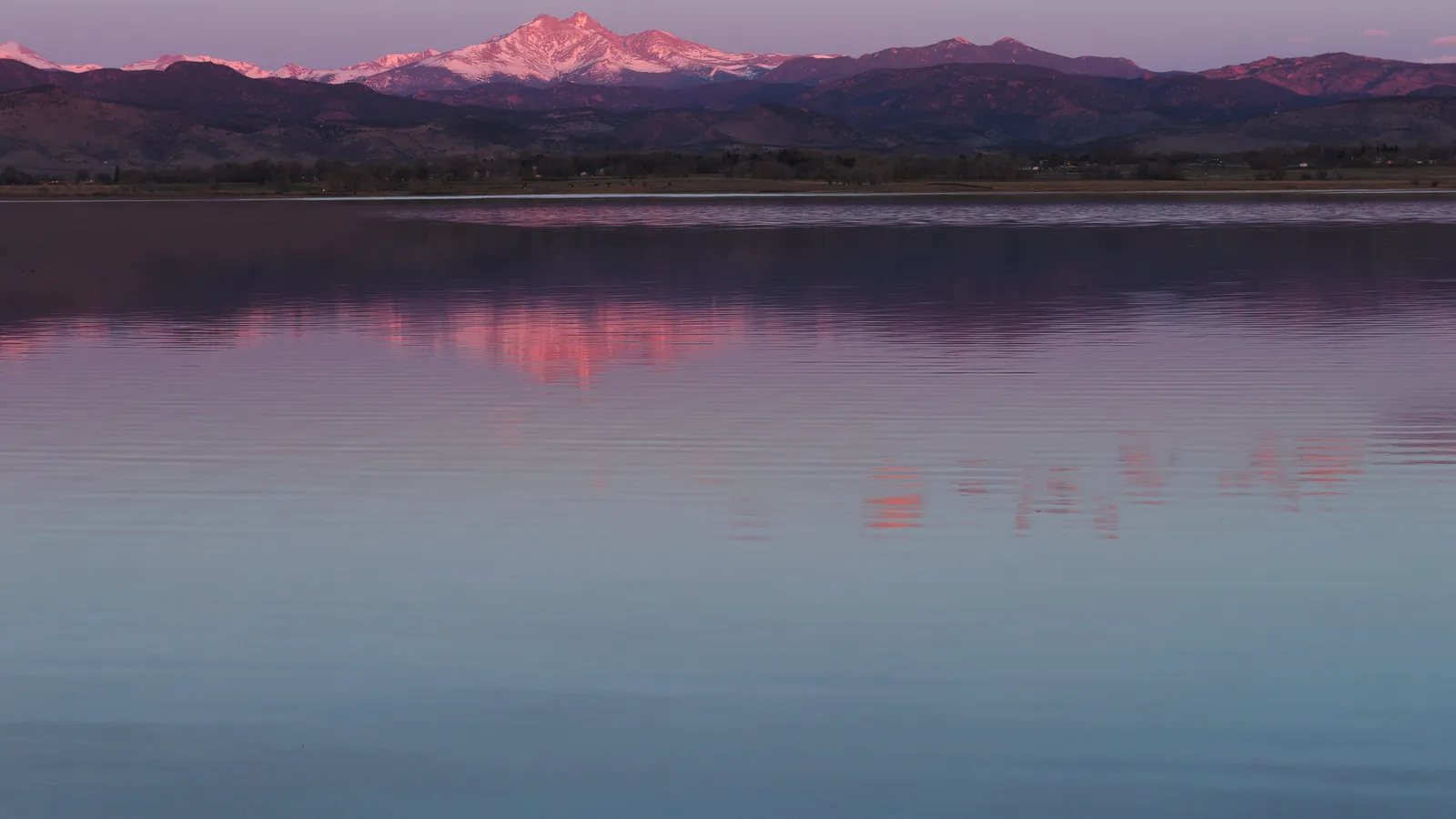
Best for: a calm, scenic paddle with your own board. Flat water, no motors.
McIntosh Lake is a City of Longmont nature area about 30 minutes northeast of Boulder. Only carry-in, non-motorized boats are allowed, so there are no wakes. The view west across the water to Longs Peak and Mount Meeker is the best mountain backdrop of any lake near Boulder.
Where to launch: The city says you may only get on the water at the designated boat ramps. The nature area’s address is 1929 Harvard Street, with a parking lot off Harvard on the south side of the lake. The lake is open from an hour before sunrise to an hour after sunset. The city asks you to count the boats already out and not launch if it’s crowded.
Rentals: Visit Boulder suggests renting from Rocky Mountain Paddleboard’s Boulder location and bringing the board with you, or bring your own.
Good to know: Swimming is banned, so this is a lake to stay on top of. Single-chamber inflatables like inner tubes and pool toys aren’t allowed. Dogs must be on a leash. The city’s page doesn’t list a fee at the time of writing.
Union Reservoir (Longmont)
DirectionsBest for: wakeless paddling on a bigger lake, with rentals. Flat water.
Union Reservoir, on the east side of Longmont, allows wakeless boating only, and jet skis are banned. That makes it calmer than most Front Range reservoirs that allow motors. In 2026 the swim beach is closed, and the city says paddle boards and kayaks have more room to launch as a result.
Where to launch: The entrance is at 461 County Road 26, Longmont. Pay the daily vehicle fee at the gate, plus a daily watercraft fee for your own board ($5 at the time of writing; season passes are cheaper for Longmont residents).
Rentals: Rocky Mountain Paddleboard rents boards at Union Reservoir (book through its website or call 720-943-1132).
Good to know: Hand-launched paddle boards don’t need the ANS inspection that motorboats get, but anything with a motor does, including electric hydrofoils. Everyone on a watercraft must have a life jacket, and children 12 and under must wear one at all times. Water access is closed from December 1 to February 28.
Standley Lake (Westminster)
Directions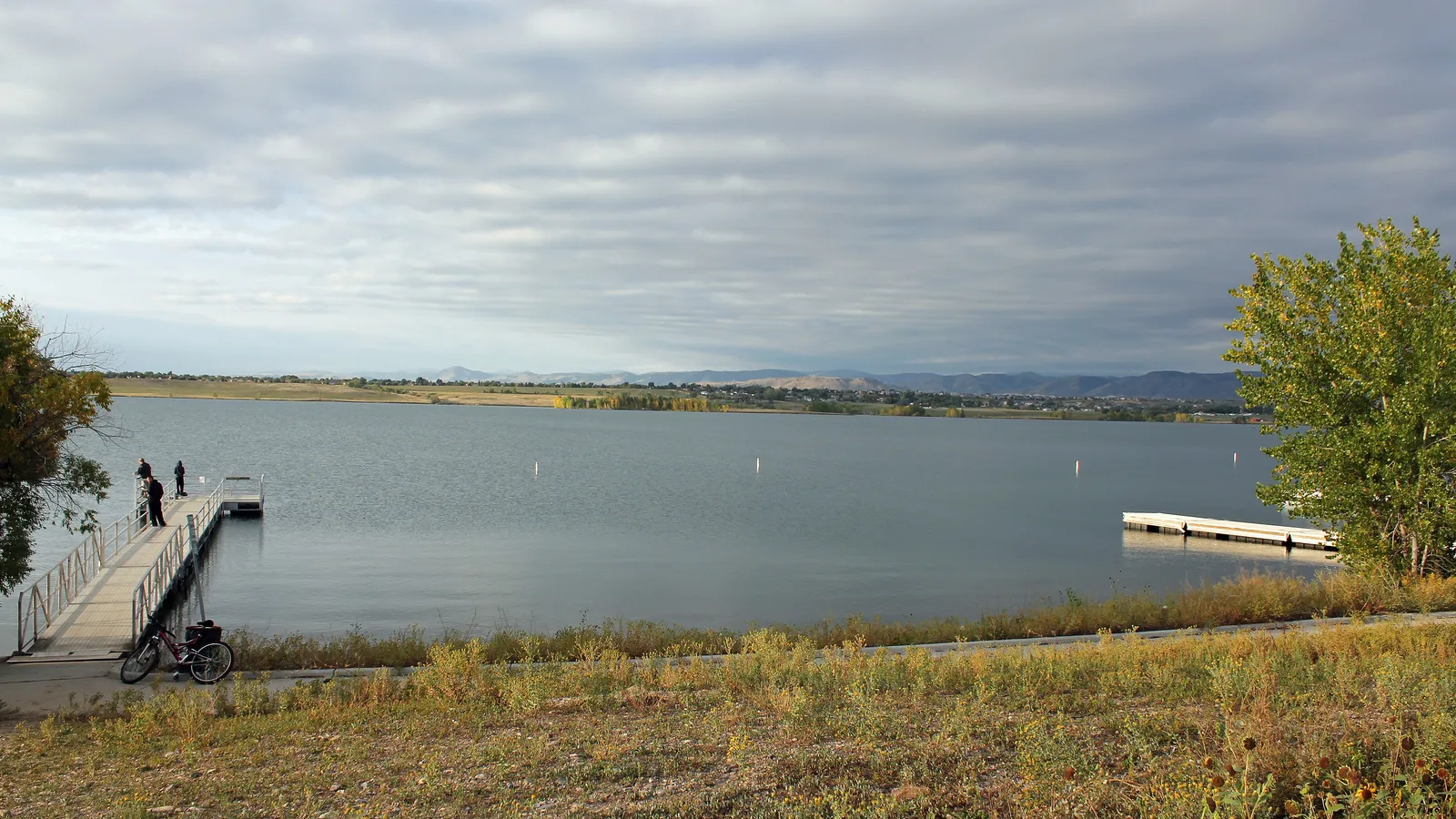
Best for: a big lake close to the north Denver suburbs. Flat water with some boat traffic.
Standley Lake Regional Park, about 20 minutes southeast of Boulder, is a city-run reservoir with paddle craft allowed from May 1 to September 30, 7 am to sunset.
Where to launch: Everyone launches from the main park entrance at 100th Avenue and Simms Street; it’s the only authorized launch point. Every paddle craft has to go through the spray station before launching (7 am to 7 pm in season), and you get a wristband to show it’s done.
Fees: The City of Westminster lists a $10 daily paddle pass for one craft, or a $125 annual permit that includes park entry, at the time of writing.
Rentals: Rocky Mountain Paddleboard rents boards, kayaks and canoes on site.
Good to know: No swimming or wading, and no alcohol. Dogs can ride along if they wear a life jacket, but they aren’t allowed in the water and must be leashed. Single-chamber inflatables are banned.
Brainard Lake
Directions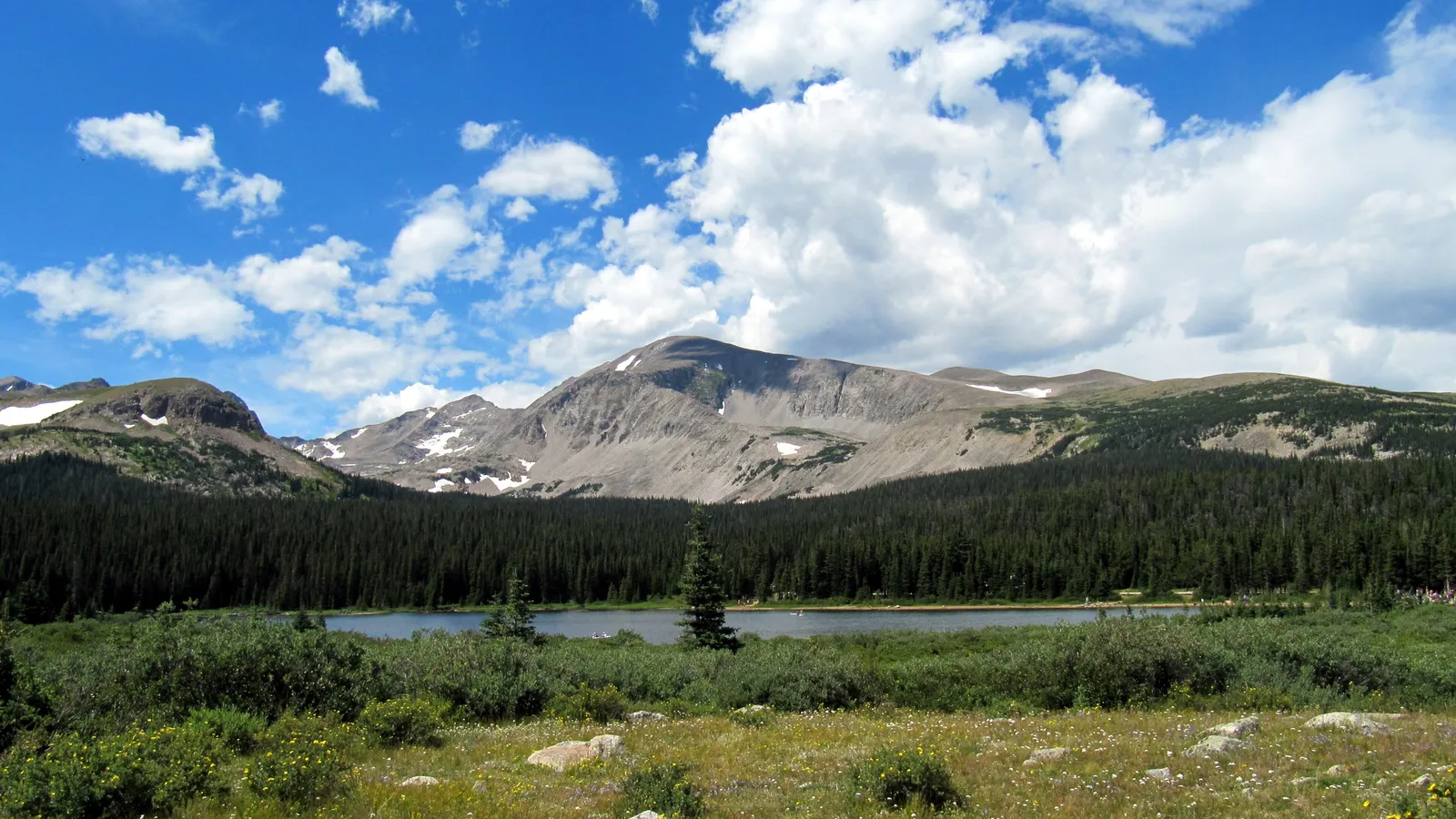
Best for: a summer mountain paddle. Flat, cold alpine water.
Brainard Lake sits at about 10,300 feet in the Indian Peaks, roughly 50 minutes west of Boulder. It’s small, but you paddle under the jagged peaks of the Continental Divide. Only non-motorized boats are allowed.
Getting there: The recreation area’s 2026 season runs June 12 to October 1. Driving in, you need a timed-entry parking reservation from Recreation.gov; they aren’t sold at the gate. Day-use tickets are released on a rolling 15-day window, so book as soon as your date opens.
Good to know: It’s high, cold and exposed. Afternoon thunderstorms are common in the Colorado mountains in summer, so paddle in the morning and get off the water at the first rumble. You’ll also be more out of breath than usual at this altitude. Bring an inflatable; you’ll carry it from the parking lot.
When to go
Boulder’s paddling season runs roughly late spring to early fall. Most lakes have set seasons: Boulder Reservoir charges entry from April 1 to October 31, Standley Lake is open to paddlers May 1 to September 30, and Brainard Lake opens in mid-June.
- June to August: the warmest water and the busiest lakes. Go early: you’ll beat the crowds, the wind and the afternoon thunderstorms that build over the mountains.
- May and September: quieter, with cold water. A wetsuit or drysuit is worth it if you might fall in. Our wetsuit check uses water and air temperature to tell you what to wear.
- Time of day: Front Range reservoirs are usually calmest in the morning. Wind tends to build after lunch, and paddling back upwind on a big lake is hard work.
We couldn’t find a reliable published water-temperature record for these lakes, so check conditions on the day. Planning a lap of a reservoir? Our Trip time calculator estimates how long it’ll take at your pace.
Rules and safety in Boulder
Colorado law treats a paddle board as a vessel, so state boating rules apply:
- Life jacket: carry a US Coast Guard–approved life jacket for each person. Children under 13 must wear one. See our pick of the best PFDs for SUP.
- Whistle: carry a whistle or other sound-producing device.
- Your name on the board: write your name and a phone number or address on your board, so a lost board can be traced back to you.
Colorado’s aquatic nuisance species rules:
- No ANS stamp needed. Colorado Parks and Wildlife requires the ANS stamp on motorboats and sailboats. Hand-launched, non-motorized paddle boards, kayaks and canoes are exempt from the stamp and from mandatory state inspections.
- Local lakes can still inspect. Boulder Reservoir inspects every board on entry and exit, and Standley Lake sprays every paddle craft before launch. Allow extra time.
- Clean, drain and dry your board after every lake, so you don’t carry mussels or weeds to the next one.
Local habits worth adopting:
- Wear a leash on big reservoirs. If you fall in wind, the board can blow away faster than you can swim.
- Watch the sky. Get off the water when thunderstorms build; a paddler on open water is the tallest thing around.
- Respect swim and no-wake areas and stay clear of water-skiers’ lanes at Boulder Reservoir.
FAQ
Do I need a permit to paddle board at Boulder Reservoir?
Yes, for your own board. Every paddle board needs a City of Boulder Reservoir watercraft permit, bought online, plus an inspection, and you still pay daily entry. If you rent from the stand at the reservoir, you only pay entry.
Do paddle boards need an ANS stamp in Colorado?
No. Colorado Parks and Wildlife exempts hand-launched, non-motorized paddle boards from the ANS stamp and from mandatory inspections. Individual lakes like Boulder Reservoir and Standley Lake still run their own inspections.
Where can beginners paddle board near Boulder?
Boulder Reservoir with a rental board is easiest, since the rental stand is on the beach and the staff can get you started. McIntosh Lake is the calmest if you have your own board, because there are no motors.
Can I bring my dog paddle boarding near Boulder?
Not at Boulder Reservoir from mid-May to Labor Day, and not in the water at Standley Lake (dogs can ride on your board there if they wear a life jacket). McIntosh Lake allows leashed dogs on shore. Read how to paddle board with a dog first, and use our Board Fitter to find a board stable enough for two.
Is there anywhere similar nearby?
For more Front Range lakes, see our guides to where to paddle board in Denver and where to paddle board in Fort Collins.