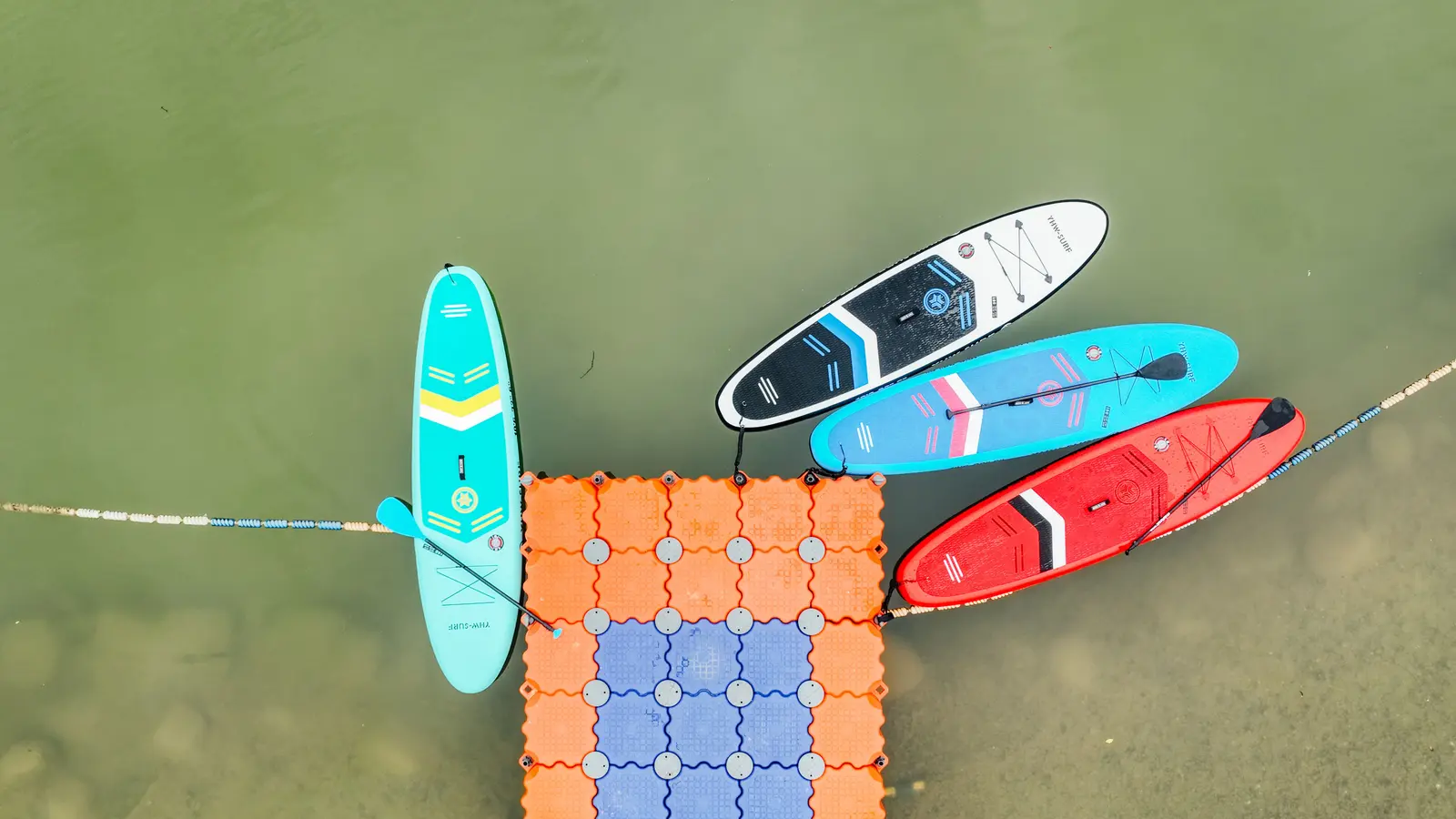
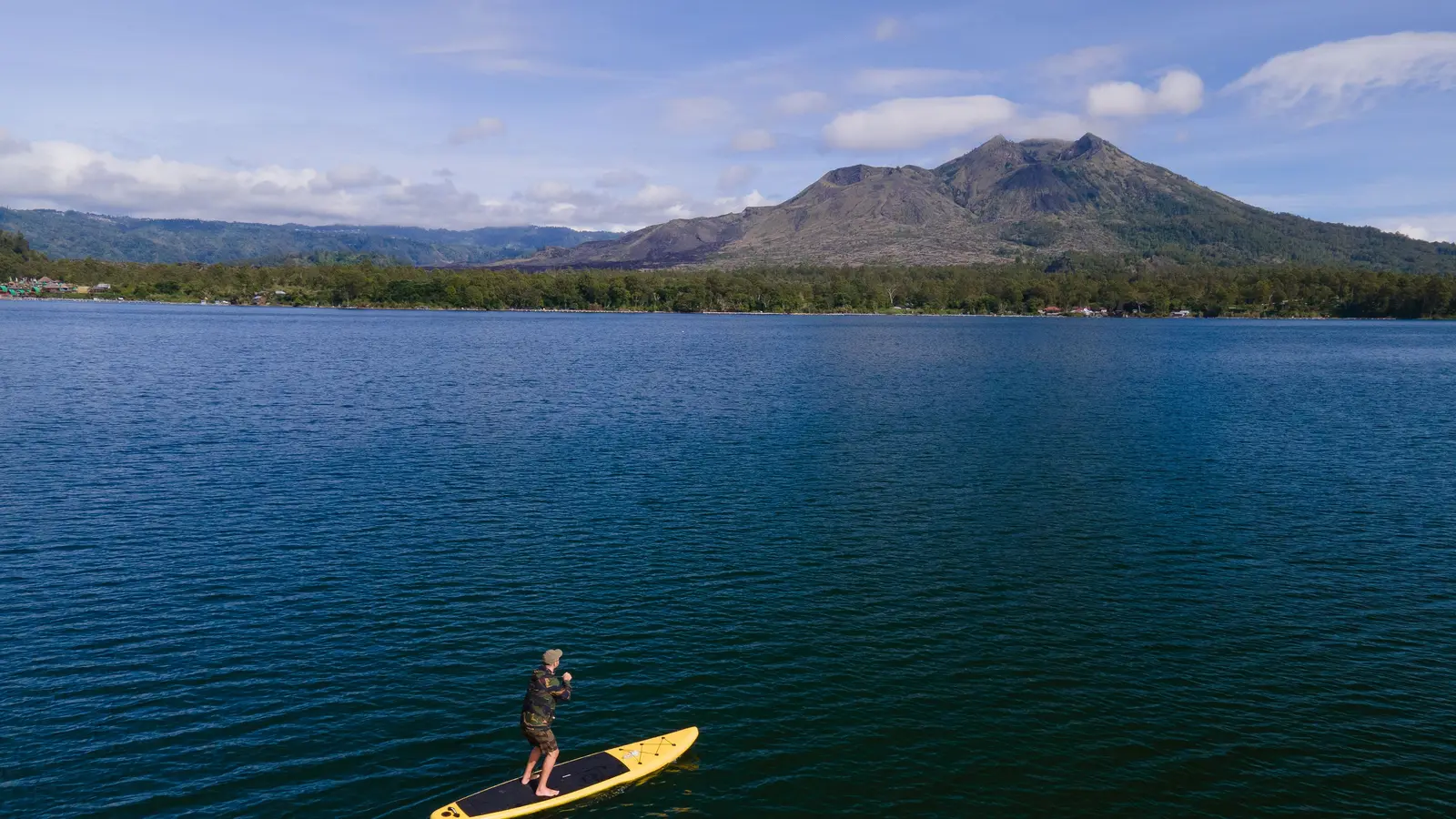
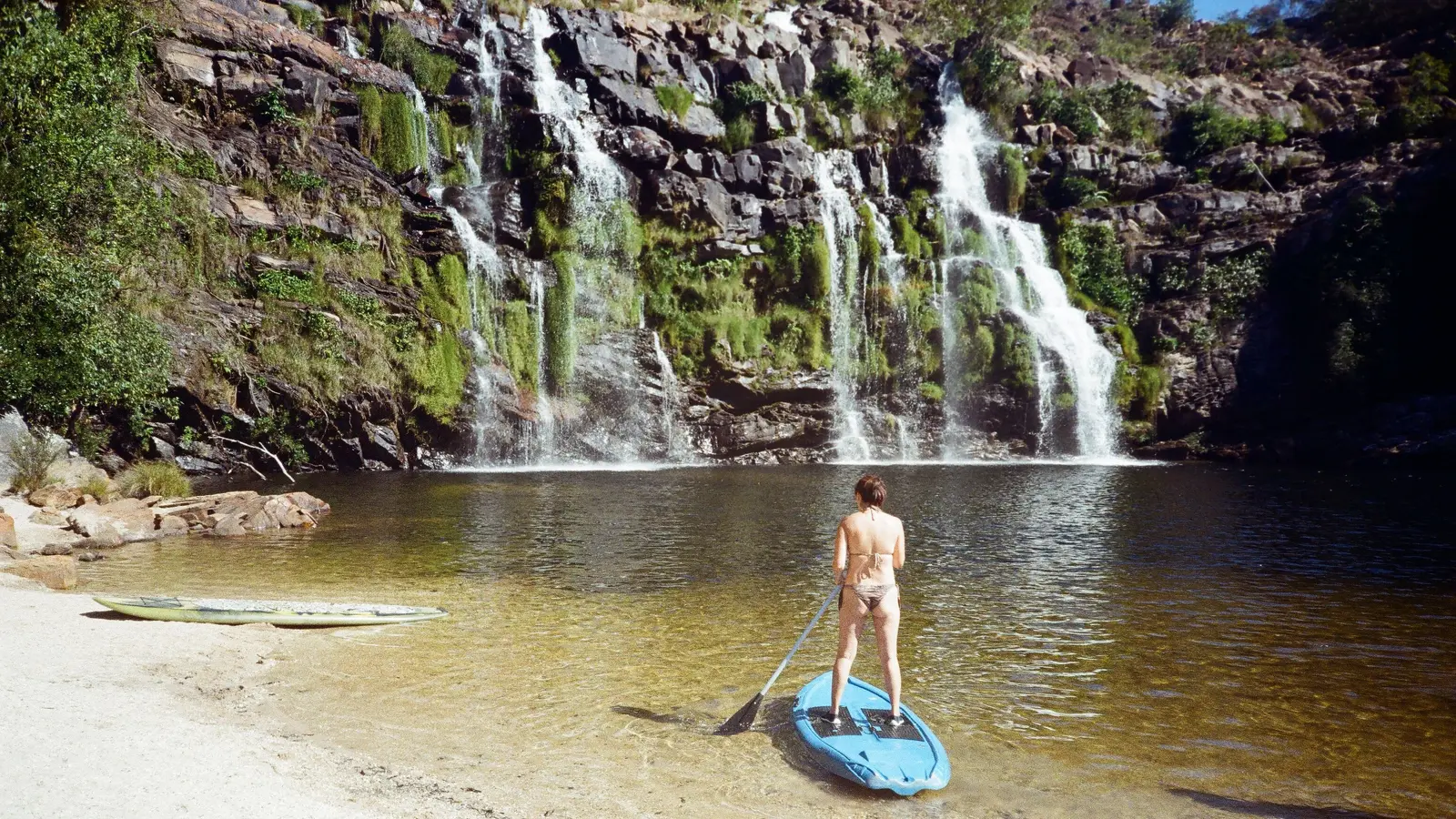
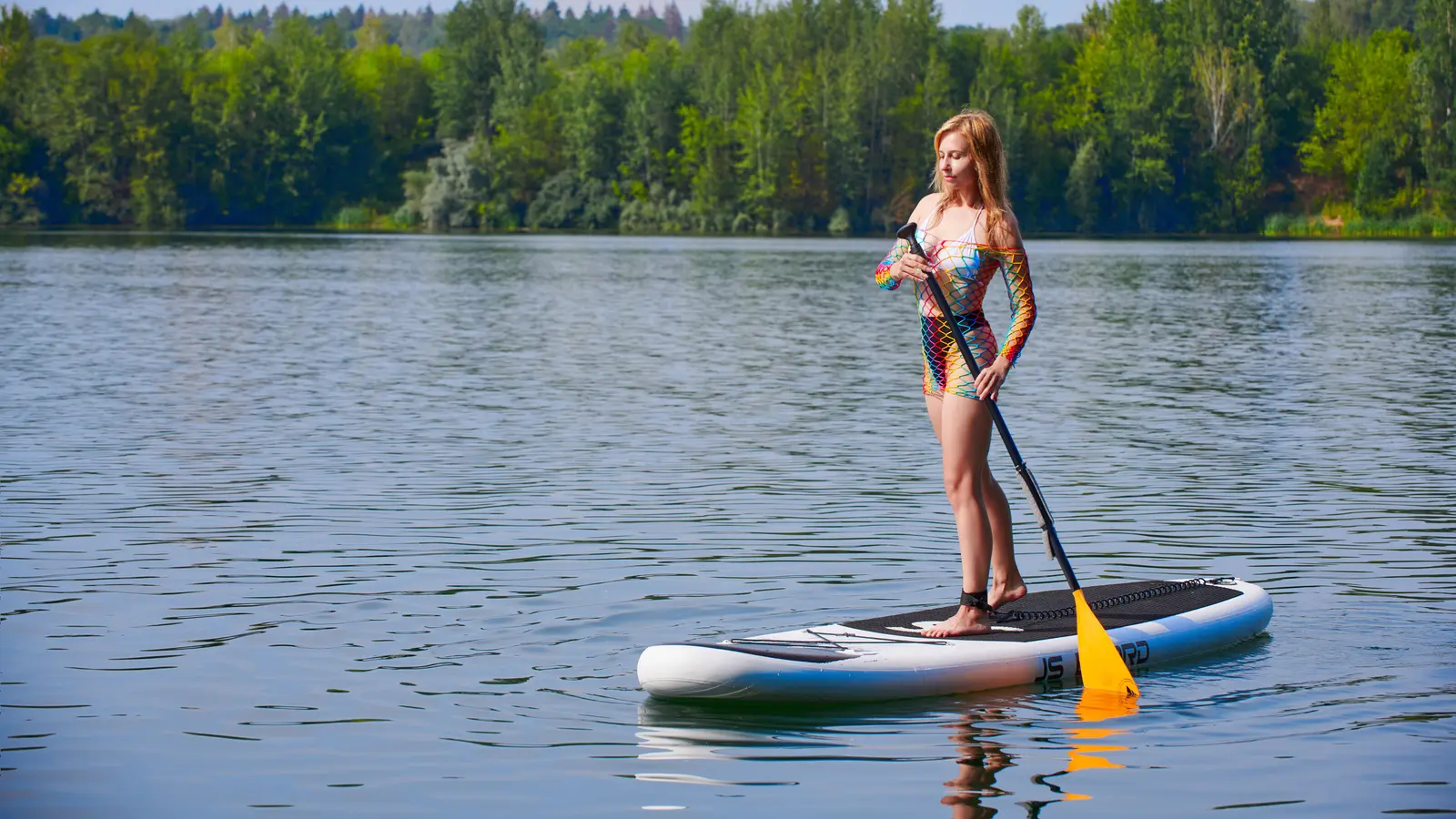
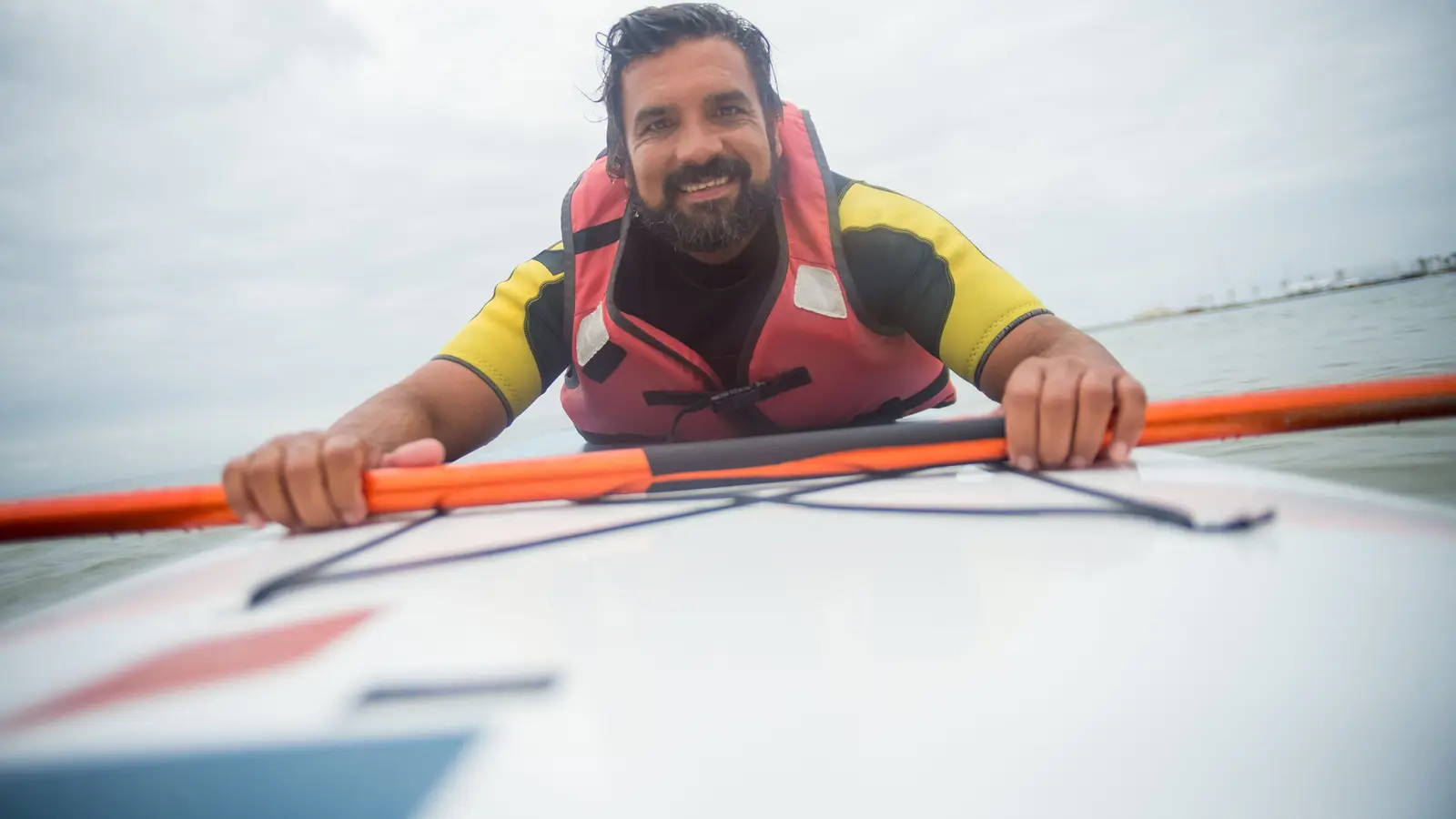
No, paddle boarding isn’t hard to learn. On calm water and a wide, stable board, most beginners are standing and paddling within their first session. The parts that take longer are turning, paddling straight, handling wind and chop, and climbing back on after a fall.
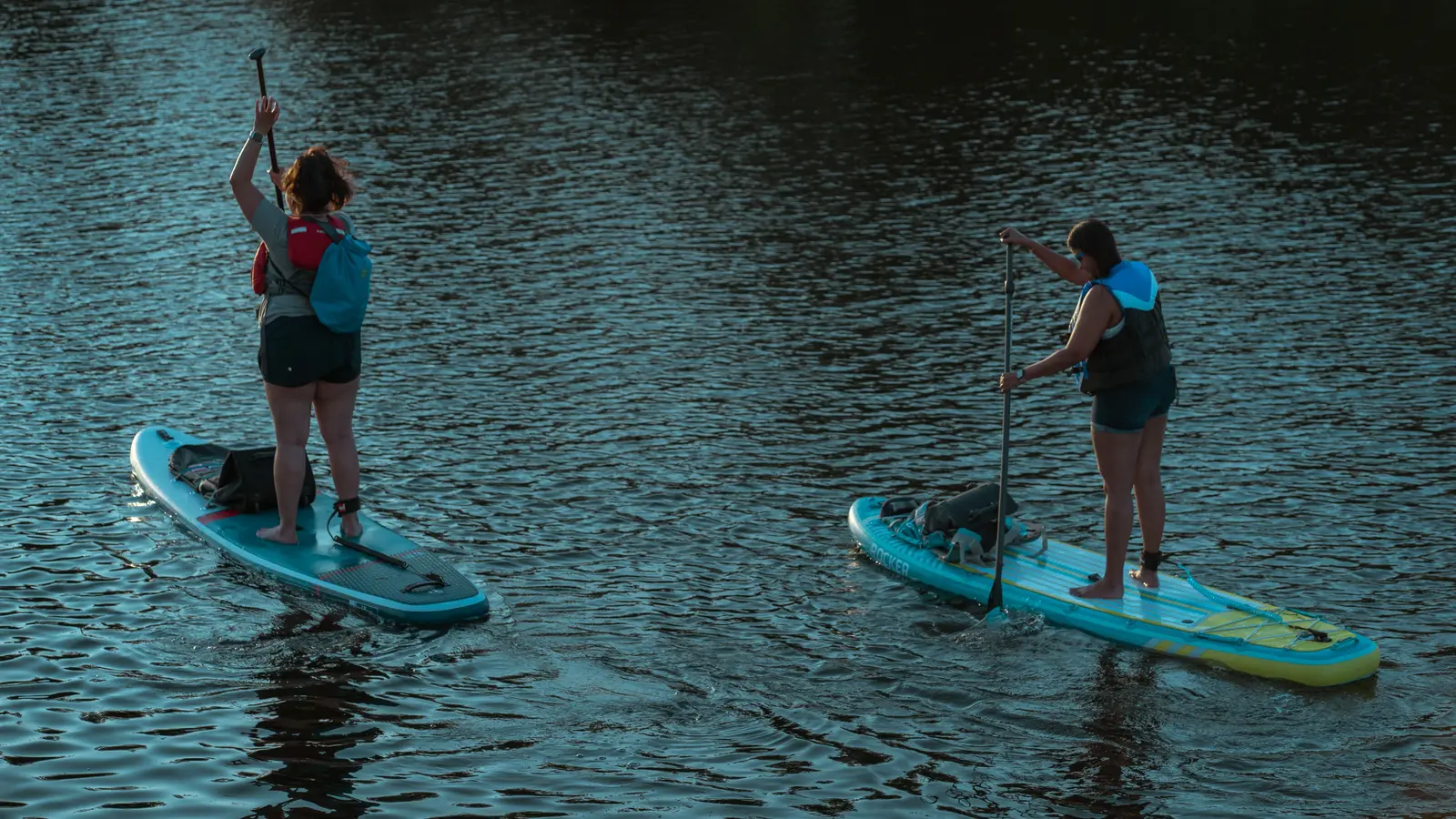
Photo: ARK FILMS, Pexels License
How hard it feels depends mostly on three things: the board, the water and how much you rush to stand up.
Quick answer
- First session: standing up and paddling in a straight-ish line on flat water is realistic. Glide’s guide puts it at roughly 30 to 60 minutes.
- Comfortable: two or three outings, according to the same guide, once turning and stopping start to feel natural.
- Harder: wind, chop, boat wakes and ocean swell. These are what make the sport difficult, not the standing.
- Easiest start: a wide board, calm water, a life jacket, and kneeling before you stand.
These timings come from paddle board makers and outfitters, who want you to feel good about trying. Treat them as typical, not guaranteed. Some people need a lesson or two.
What’s easy about it
You aren’t trying to catch a wave or keep up with anyone. You set your own pace, and you can kneel or sit whenever you want a rest. Paddle North calls it one of the most beginner-friendly water sports, partly for that reason.
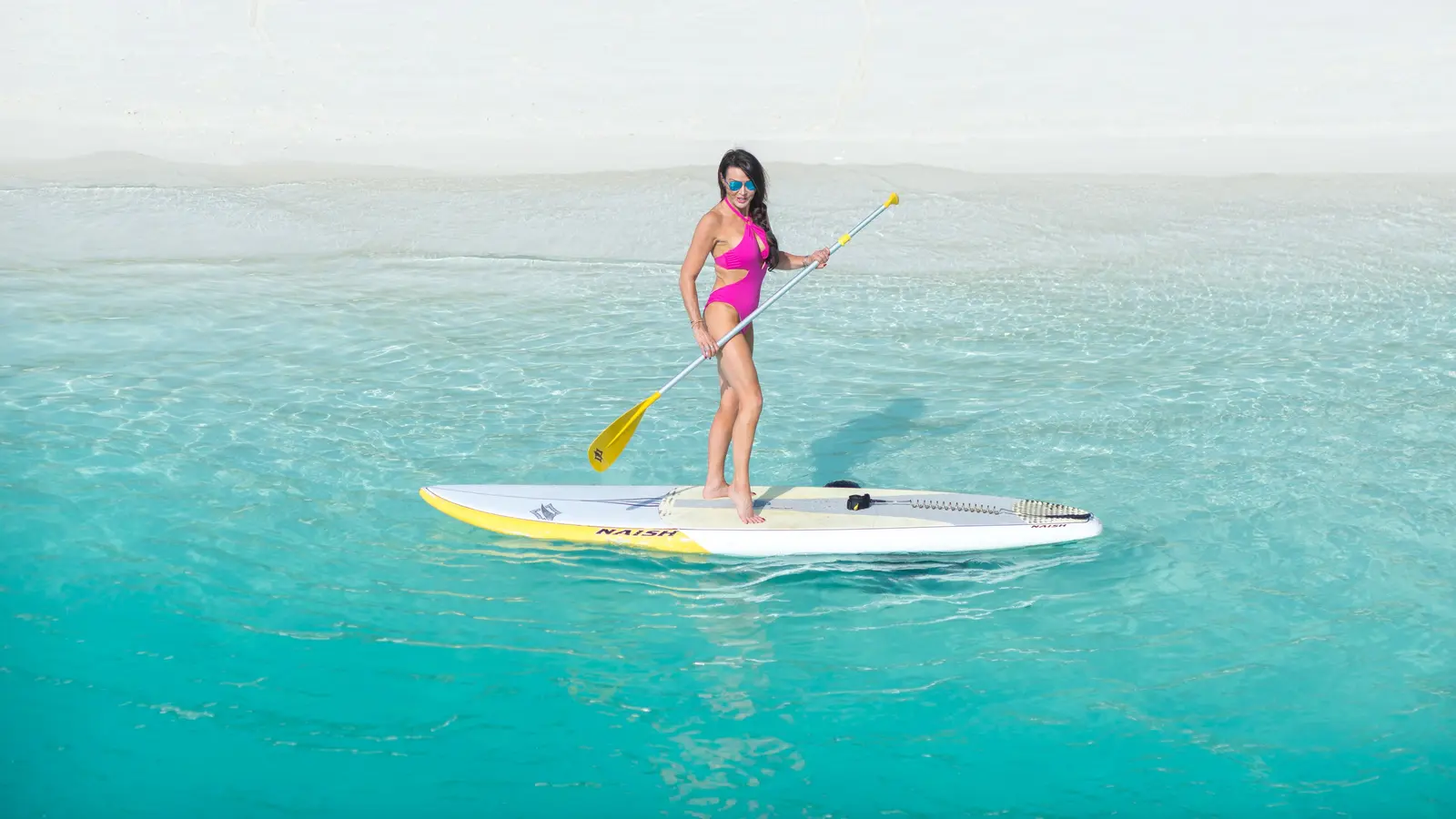
A wide board does a lot of the work. Glide suggests at least 32 inches wide for a beginner, and WatersportsWhiz gives a range of about 30 to 36 inches. Not sure what suits your weight? Our Board Fitter sizes a board to you, and what size paddle board do I need explains the numbers.
People who already skate, ski, surf or do yoga tend to pick it up faster, Glide notes. You don’t need them, though.
What’s actually hard
Standing up before you’re ready. Wobbly legs on the first stand are normal. Kneel first, get the board moving, then stand once you feel steady. Our guide to how to stand up on a paddle board walks through it.
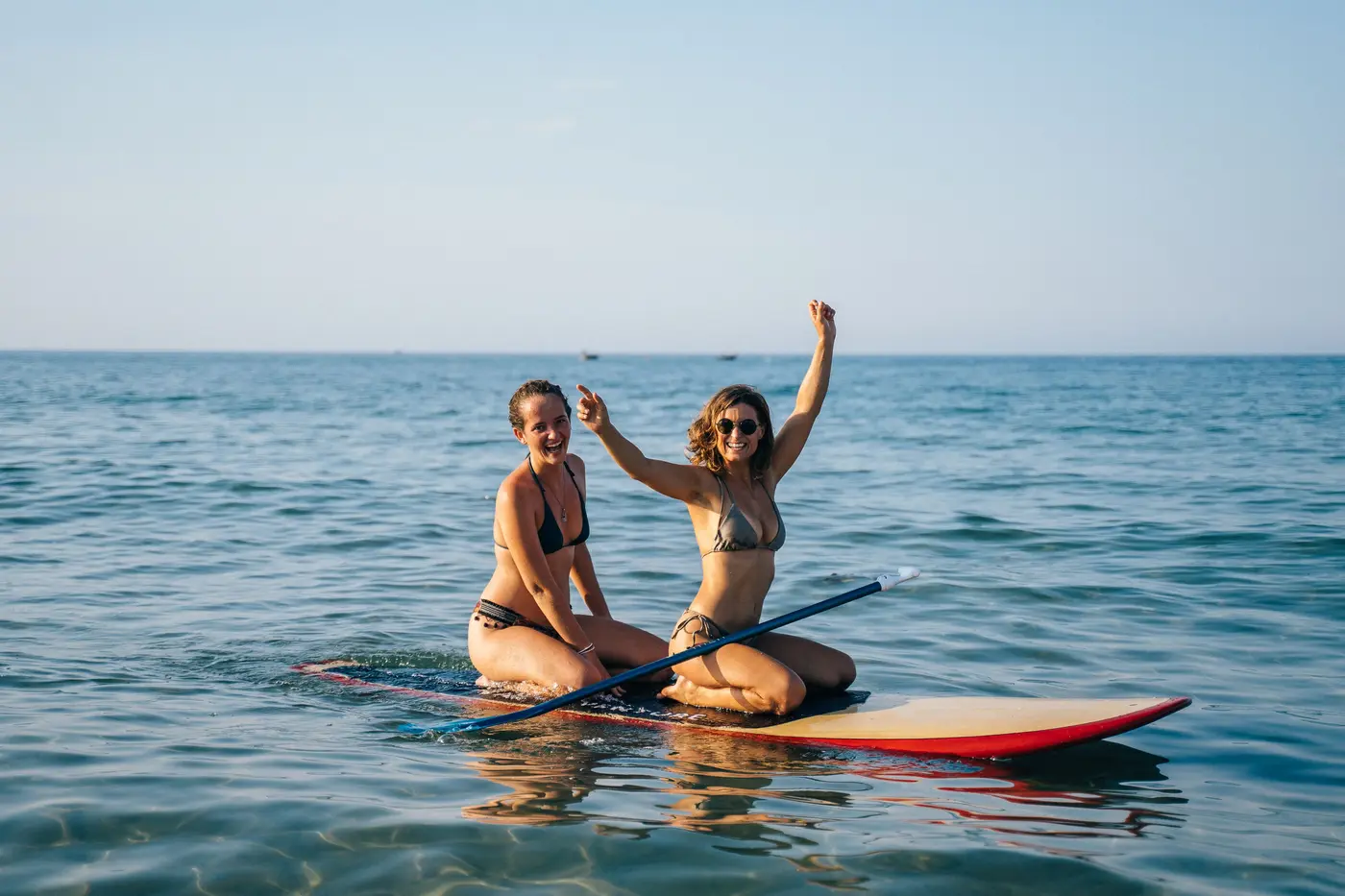
Getting back on after a fall. Several sources, including WatersportsWhiz and PaddleCamp, list this as one of the trickier early skills. Practice it in water deep enough to be safe, with your leash on, before you need it. See how to get back on a paddle board after falling.
Wind and chop. Both Paddle North and OARS tell beginners to avoid windy days and busy water. OARS adds that wind often builds as the day goes on, so early morning and evening are usually calmer. Our post on the best conditions for paddle boarding covers what to check.
Steering. Every board drifts away from the side you paddle on. A few hours in, most people learn to switch sides or add a small correction. How to paddle a SUP straight shows how.
Coming back to shore. OARS calls landing the riskiest moment because people stay standing in shallow water. Drop to your knees as you get close and go in slowly.
Your fitness. It uses your legs, core and back, so it can tire you out. Kneel or sit to rest.
How long does it take to learn?
It depends what you mean by “learn”:
| Goal | Typical time (from maker and outfitter guides) |
|---|---|
| Stand and paddle on flat water | One session |
| Turn, stop, paddle straight | A few more hours |
| Feel confident | About 2–3 outings |
| Wind and chop | A few outings |
| SUP surfing, racing, touring, yoga | Weeks to months |
Make it easier
- Pick calm, sheltered water. A small lake or quiet bay, not open ocean.
- Wear a life jacket and a leash. A SUP counts as a vessel outside swim and surf areas, so the Coast Guard rules apply. Read do you need a life jacket on a paddle board. Skip the leash on moving rivers, as OARS advises.
- Use a wide, stable board that fits your weight. Staying well under the board’s weight limit helps, and WatersportsWhiz suggests roughly 70%.
- Size the paddle properly. Paddle North suggests about 6 to 8 inches taller than you.
- Look at the horizon, not your feet.
- Start on your knees, then stand once you’re moving.
- Rent or take a lesson first. Glide and PaddleCamp both say lessons speed things up.
- Dress for the water. In cold water a fall is a bigger deal. Our wetsuit check helps you decide.
More in 25 paddle board tips for beginners and common paddle boarding mistakes.
FAQ
Is paddle boarding harder than kayaking?
WatersportsWhiz argues that SUP is easier to learn than kayaking, though you stand and are more likely to fall in. Both are easy on calm water. Neither is risk-free.
Do I need to be fit or have good balance?
Not much to start. Basic fitness helps, and a wide board on calm water forgives wobbles. Balance improves quickly, and our post on how to improve balance for paddle boarding has exercises.
Will I fall in?
Probably, at least once. Falling is part of learning. Fall away from the board, not onto it, and keep your leash on. PaddleCamp advises avoiding headfirst dives.
Can I learn on an inflatable board?
Yes. A good inflatable is stable enough for beginners. See best paddle boards for beginners.
Should I take a lesson?
You don’t have to, but it helps. An instructor can teach landing, falling and basic strokes in one session.